Best Metals for Engagement Rings
Choose for the way the ring will look, feel and wear. Then find out who will resize, refinish or repair it when you need them.
Start with the color and finish you want to live with
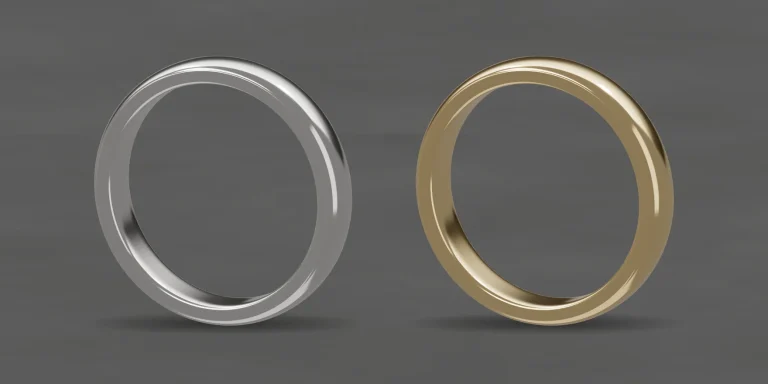
Shortlist yellow or rose gold for a warm tone, or platinum and white gold for a white look.
Compare the same ring design in your options. The practical choice fits your budget, the wearer’s routine and the service available for the exact alloy.
See the four profilesFind your priorityCheck before ordering
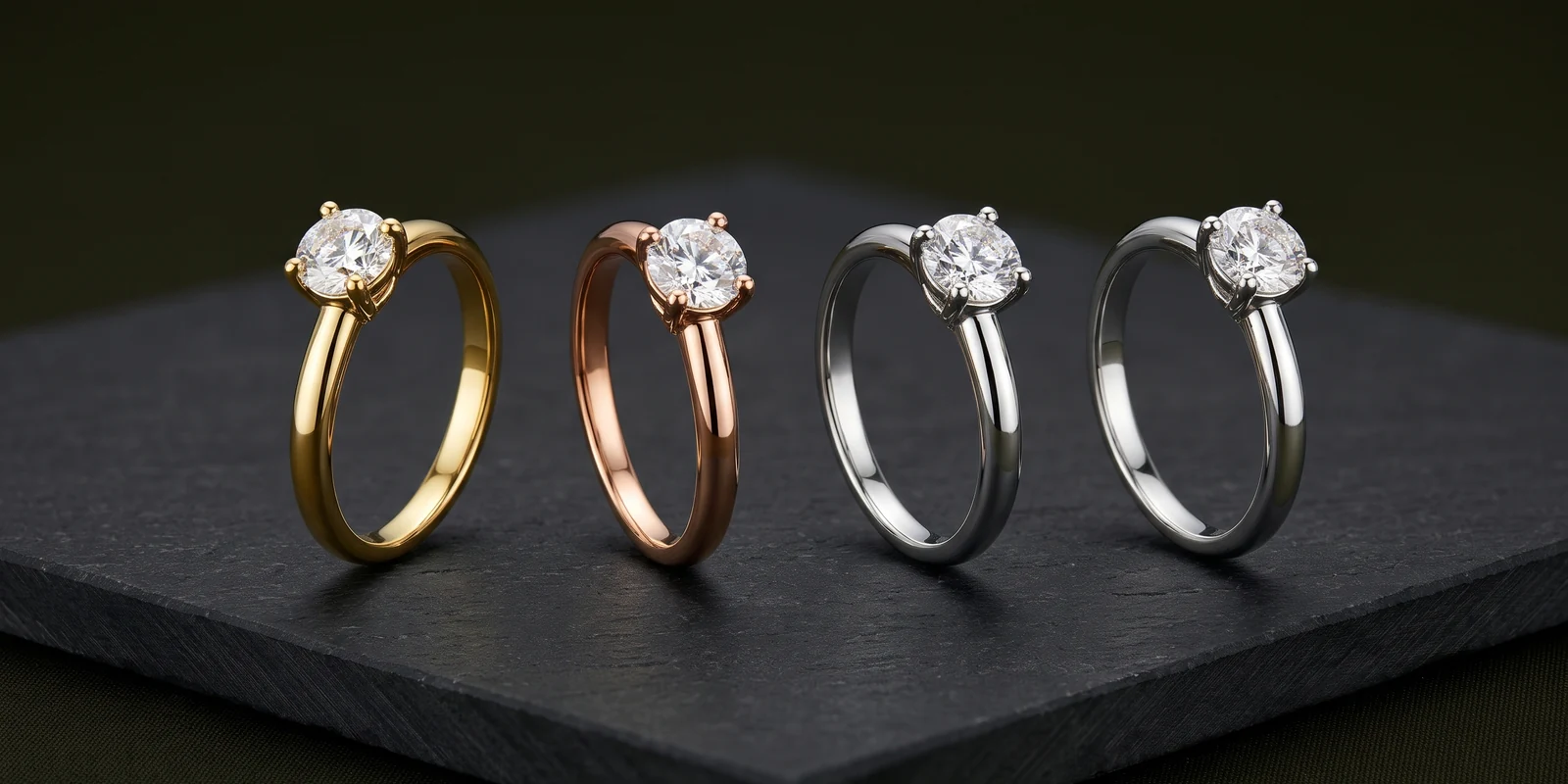
One design, four metal choices
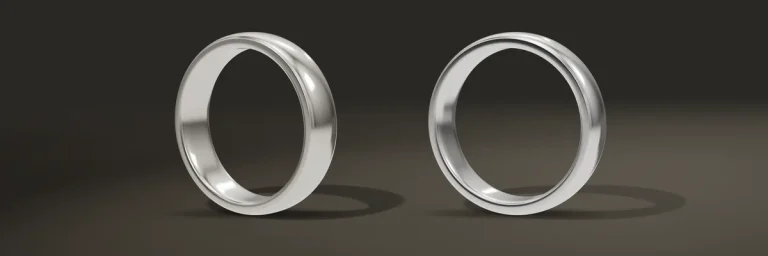
The illustrated profiles use a common prong design and similar lighting. Compare real samples with the stone and finish you plan to buy.
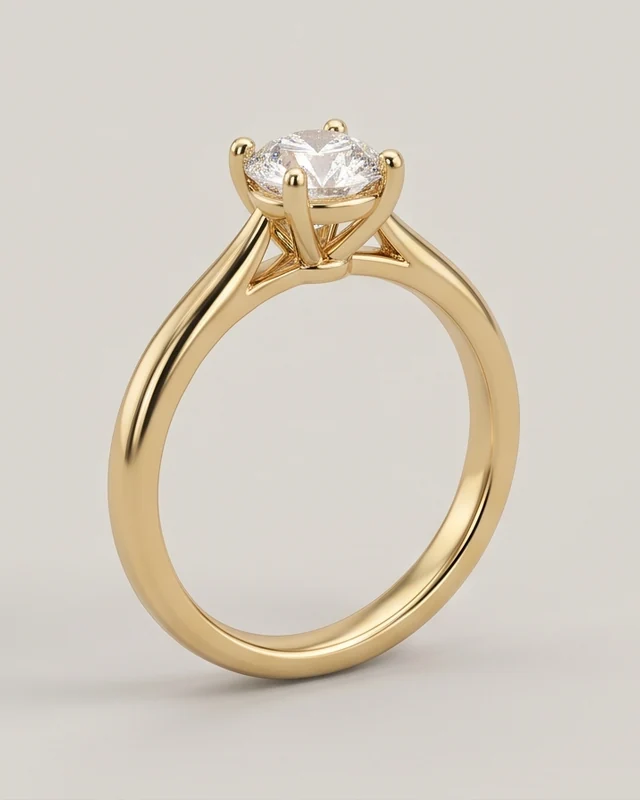
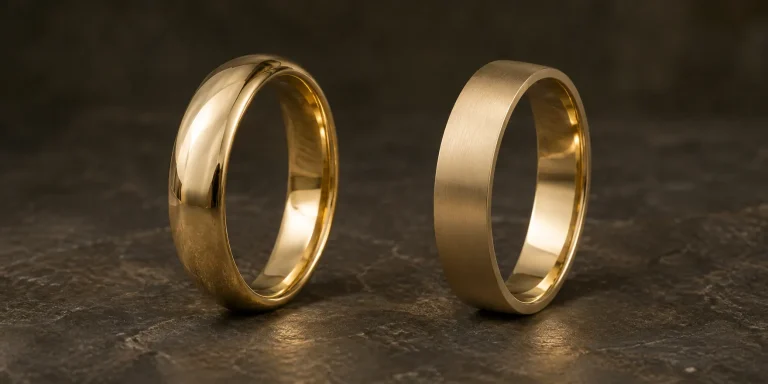
Yellow gold
A warm finish in either 14K or 18K. The exact yellow depends on the alloy and finish.
- What to compare
- 14K and 18K are nominally 14 and 18 parts gold out of 24.
- What to ask
- Can I see both in the same finish and band width?
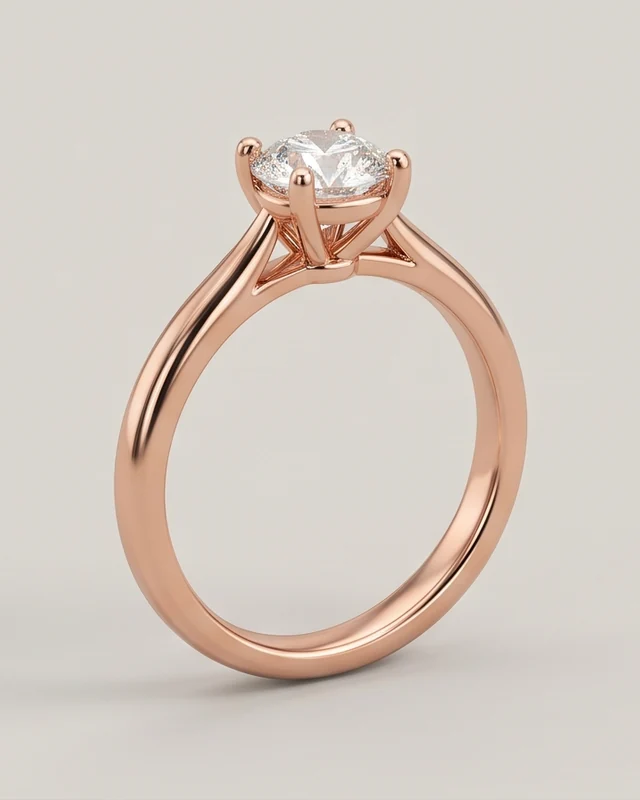
Rose gold
Copper in the alloy gives rose gold its pink to reddish tone.
- What to compare
- A soft pink and a deeper rose beside the actual center stone.
- What to ask
- Can the shop match this shade at a seam, or if a part is replaced?
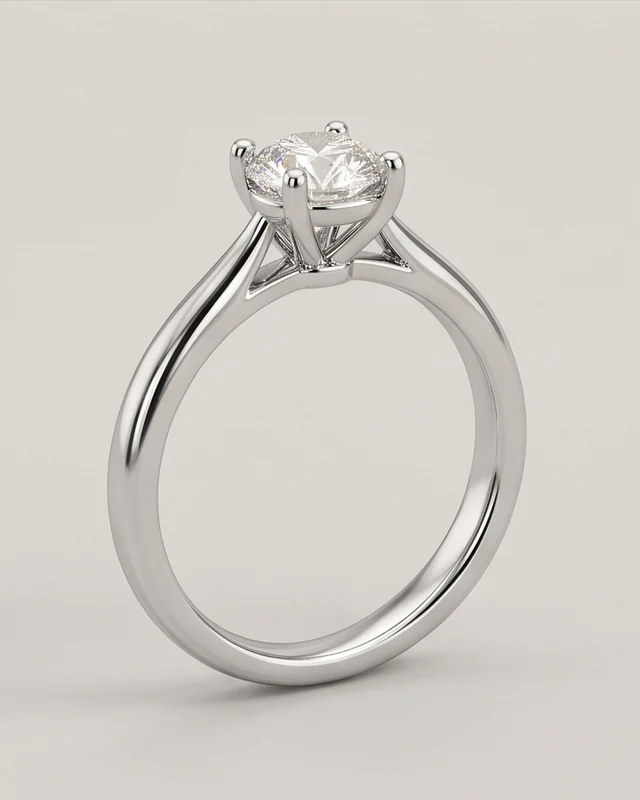
White gold
A gold alloy made paler with metals such as nickel or palladium. Many rings have a rhodium finish.
- What to compare
- The base tone and the finished surface, plus the cost of refinishing.
- What to ask
- Which alloy is used in the shank, head and joins?
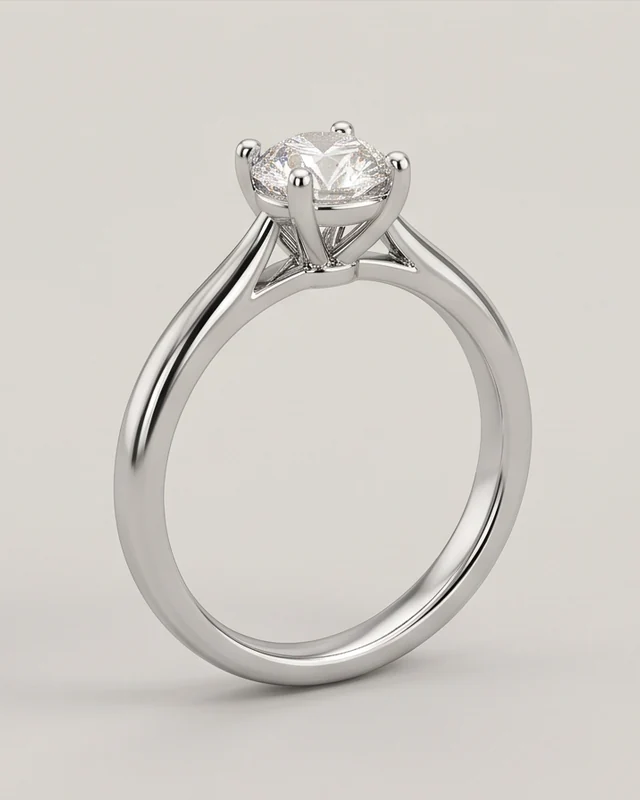
Platinum
A naturally white jewelry alloy. It can feel heavier than gold when the ring has the same volume.
- What to compare
- The actual weight and whether you prefer polish or a softer finish.
- What to ask
- Which platinum alloy is quoted, and who can service it?
Compare engagement ring metals at a glance
| Metal | Color and composition | Surface over time | Ask the jeweler |
|---|---|---|---|
| 14K yellow gold | Yellow tone with a lower nominal gold content | Polish can pick up scratches | Compare an identical design and ask about size changes |
| 18K yellow gold | Yellow tone with a higher nominal gold content | Can show scratches or dents, depending on the alloy and design | See the exact shade and compare the entire quote |
| White gold | Pale gold alloy, often rhodium-finished | A worn coating can show the underlying color | Which alloy, base tone and refinishing terms apply? |
| Rose gold | Pink to reddish tone from copper in the alloy | Scratch visibility depends on finish and use | Can you match the shade for a repair? |
| Platinum | Naturally white and usually heavier than gold at equal volume | Fine scratches can create a satin-like patina | Who can repair this alloy and restore this finish? |
| Palladium | Naturally white and lighter than comparable platinum alloys | Will still pick up signs of wear | Can you obtain this alloy and service this ring locally? |
Check who can service palladium
Consider a palladium alloy if you want a naturally white ring with less heft than a comparable platinum ring. Ask first whether your jeweler can source the alloy, match it later and take on a resize. A palladium ring and palladium-alloyed white gold are different materials.
Consider alternatives when they fit the job
Sterling silver is a lower-cost white option that can tarnish. Ask how the shank and stone setting will hold up in the design you want. Titanium and tungsten carbide come up more often for bands. Confirm the design’s sizing or exchange options before ordering, especially for hard-to-alter bands.
Know how the surface can change
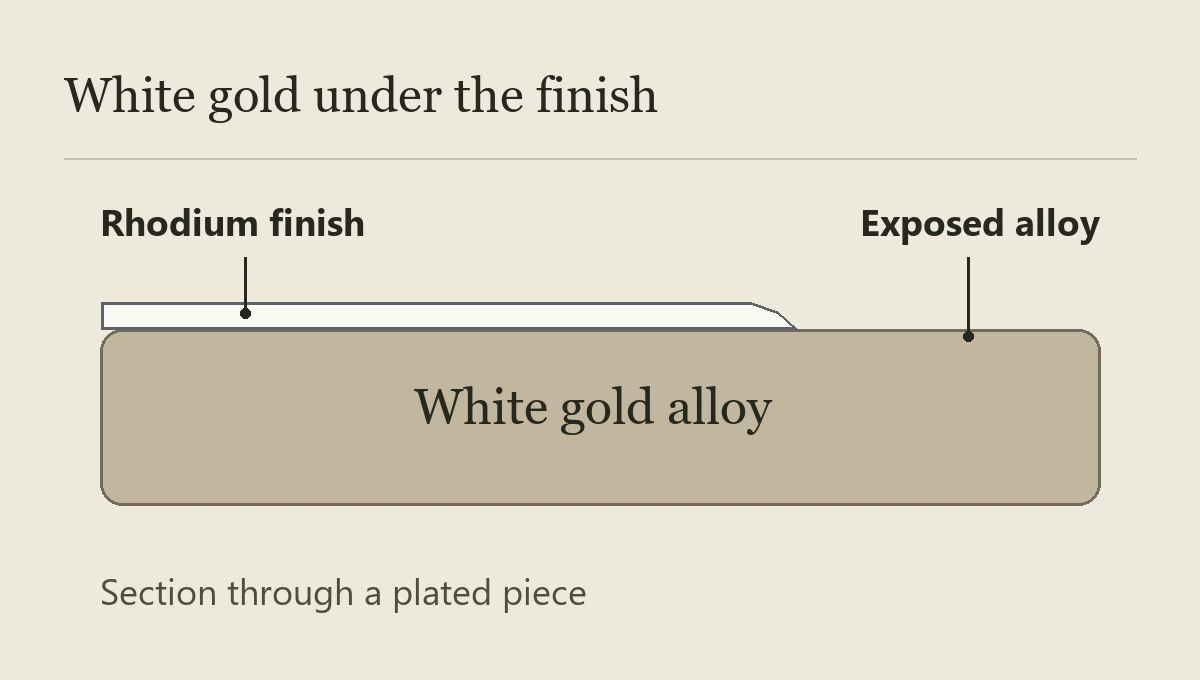
Check the color beneath white gold’s finish
Rhodium adds a bright white finish to many white gold rings. As the finish wears in contact areas, the exposed alloy can look warmer or grayer. Frequency of wear, contact and finish affect when you’ll notice. Ask the jeweler to show an unplated sample and price any future refinishing. See how rhodium plating changes the surface.
Decide how much polish you want on platinum
Platinum is white through the alloy. Fine scratches can diffuse reflections into a softer, satin-like patina. If a bright polish matters, ask what restoration involves for this design and whether the shop will inspect the setting first.
Separate scratches, bending and long-term wear
Hardness measures resistance to indentation and helps explain some surface marking. Strength matters when a loaded part resists permanent bending. Ductility describes how much it can deform before it breaks. Alloy, processing and the shape and thickness of a part change what those properties mean in a ring.
In one controlled abrasion and polishing study, the tested platinum alloys lost less material than the tested gold alloys under those conditions. Visible scratches, material loss and the security of a particular setting are separate questions. The karat mark alone cannot tell you which ring will resist bending or wear better.
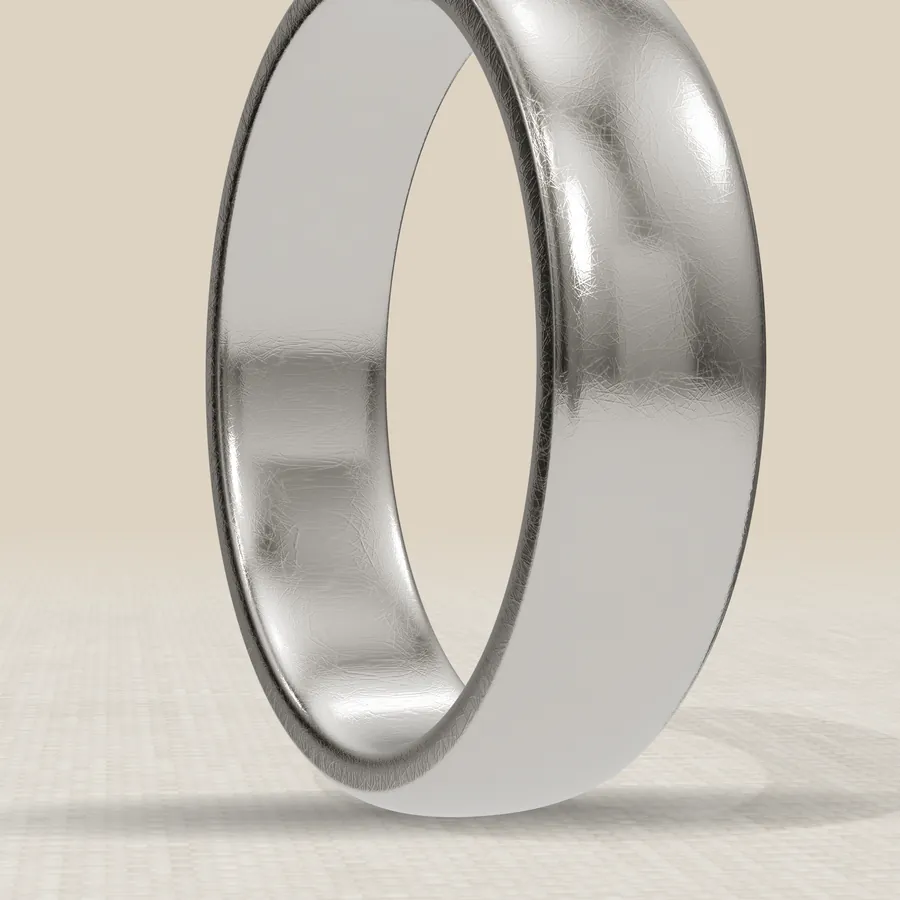
Choose for the setting and the service it needs
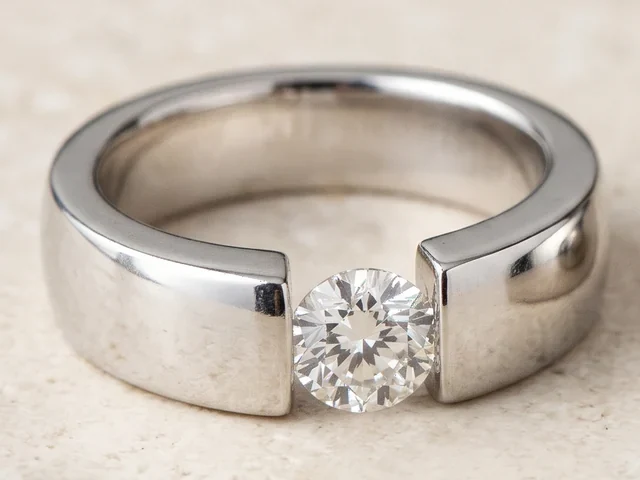
Ask what holds the stone and how it can be repaired
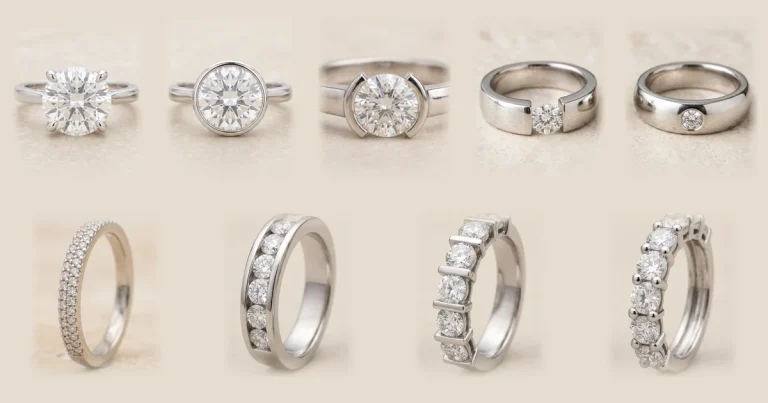
Judge the whole assembly. A well-made prong supports the stone where it sits, a bezel needs a rim that fits the stone, and a slender shank needs enough support for the planned wear. The alloy can suit one job better than another. Ask whether the head that holds the stone and the shank that circles the finger use the same alloy, and who would repair the joins.
For future sizing, find out which part of the band can be altered. A plain section of shank may leave room for a resize. Accent stones all the way around, a genuine tension setting or some mixed-metal assemblies can restrict the range. Ask for the size range and a quote for the exact piece. Platinum and palladium work may need to go back to the maker or a specialist.
Verify the full alloy when nickel matters
The American Academy of Dermatology advises avoiding nickel in jewelry if you have a known nickel allergy. Ask for written confirmation about the shank, head and any joining material. A rhodium finish can wear. The alloy under that finish is part of the decision.
Try it beside the stone and wedding band
Judge the color and weight on the hand
View the center stone beside both metal samples in neutral light. A metal color can change the reflections you see around the stone. Decide whether to echo or contrast the stone’s color. Try the wedding band at the same time and look for rubbing, clearance and how the combined width feels.
At equal volume, a denser alloy makes a heavier ring. Platinum usually feels heavier than common gold alloys in a matched design. A narrow ring and a broad one use different amounts of metal, so ask for the finished weight or try a sample with the same profile.
Compare the same ring in both quotes
Ask for the same stone, band dimensions and setting in each estimate. The metal weight, alloy, fabrication, finish and bench work all affect what you pay. Include any likely resize, replate or refinish and who will handle it. A quote for the finished ring tells you more than today’s metal price per ounce.
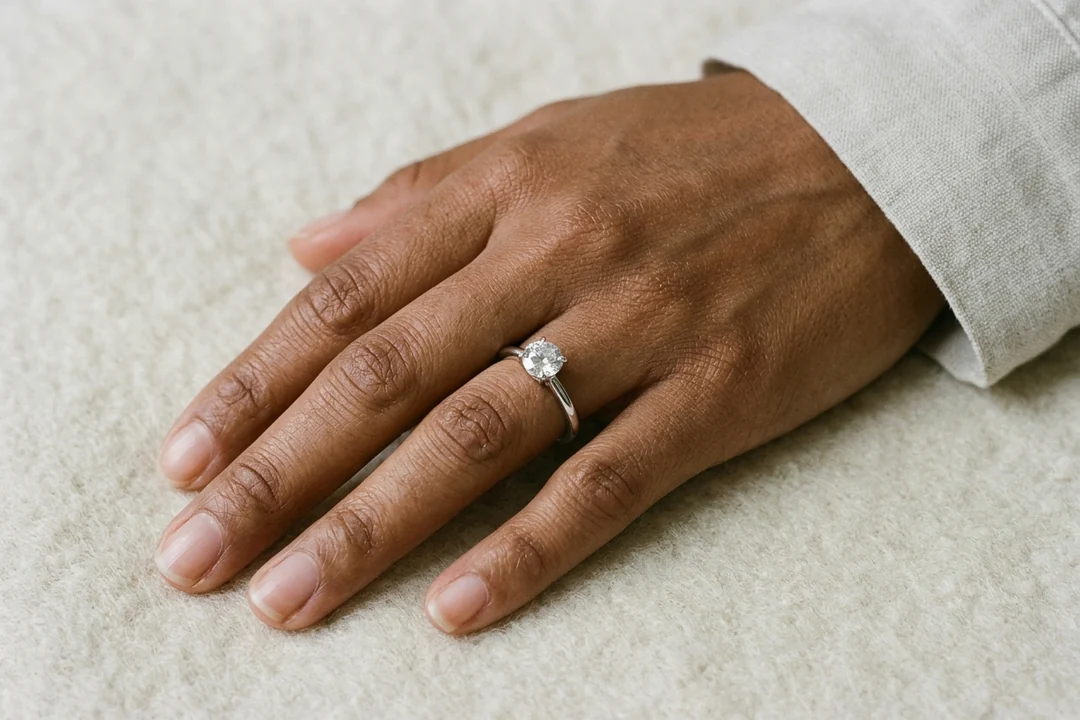
Metal selection matrix
| Your priority | Compare these first | Verify before you buy |
|---|---|---|
| Keep the total in budget | Quotes for the same design in 14K and 18K gold | Ring weight, what is included and the first resize fee |
| Wear it most days | A supported head and a shank proportioned for your use | How the prongs or rim will be inspected and repaired |
| Get a warmer color | Yellow and rose samples beside the actual stone and band | Shade in daylight and how a future repair would be matched |
| Keep a white look without replating | Unplated platinum and a white gold alloy you like unplated | Finish you prefer, base tone and what refinishing would involve |
| Avoid a known nickel exposure | Options the jeweler can document as nickel-free | Composition of head, shank and joins in writing |
| Keep it light | Similar-profile gold and palladium designs if available | Weight of the finished ring and local service options |
| Leave room for future sizing | A design with a plain section of shank in an alloy the shop services | Permitted size range, exclusions and cost |
Engagement ring metal questions
Can I identify platinum or white gold by color?
Polished platinum and rhodium-finished white gold can look alike. Check the invoice, fineness marking and seller documentation. If an existing ring has an unclear or missing mark, ask a jeweler to verify it before repair.
Is unplated white gold an option?
Some jewelers offer it. View the actual alloy in the finish you want, as some unplated white alloys look warmer than a rhodium finish. Ask whether a future repair can preserve that look.
Does 18K yellow gold always look more yellow than 14K?
It has a higher gold fraction, which can contribute to a richer yellow. The other metals, finish and lighting also influence the shade. Compare matched samples before choosing by the karat number.
Can I pair a platinum engagement ring with a gold wedding band?
Yes, if you like the combination. Try the exact pair and check where they touch. If the bands press against a setting or rub at one point, ask about a different profile, a spacer or wearing them separately.
Can I change the metal after I buy the ring?
Changing the base alloy usually means replacing part of the setting or remaking the ring. A different surface finish can change appearance. Ask for a new estimate and whether the center stone and existing warranty can carry over.
Is white gold with palladium the same as a palladium ring?
Palladium white gold is a gold-based alloy that contains palladium. A palladium ring uses a palladium-based alloy. Ask the shop to name the base metal and confirm how they would size or repair it.