How to Clean Silver Jewelry
For sound, uncoated sterling silver, wipe with a soft cloth dampened with lukewarm water and mild dish soap. Rinse in a separate bowl, then blot dry. For tarnish, plating, dark finishes, or stones, check the method before you clean.

Identify your silver before cleaning
Check the maker’s description or receipt for the metal, finish, stones, and care restrictions. Sterling contains at least 92.5% silver, and fine silver is commonly marked 999. Silver plate and rhodium plate describe the outer layer. A 925 mark gives you a clue about the alloy. It leaves the coating, settings, and joins open. Shine and color alone can’t identify the piece. Compare sterling silver and silver plate before choosing a cleaning method.
| Jewelry type or finish | Start with | Tarnish options | Avoid | See a jeweler when |
|---|---|---|---|---|
| Plain, uncoated sterling silver | Mild soap and lukewarm water, then rinse and dry. | Light buffing with a silver polishing cloth if the finish permits. | Abrasive pastes and hard scrubbing. | Dark patches remain after gentle care, or there is damage. |
| Fine silver | A plain soft cloth. Wash a sound, uncoated piece only if the maker permits it. | Ask which polishing product, if any, suits the finish. | Firm rubbing, abrasive powders, and brushes on a delicate finish. | You need to preserve a matte, textured, or antique surface. |
| Silver-plated jewelry | Plain soft cloth with very light pressure. Use moisture only as directed by the maker. | Ask for a method specifically suited to that plate and condition. | Ordinary silver dips, repeated polishing, and scrubbing. | Edges expose a different metal or the surface is flaking. |
| Rhodium-plated silver | Plain soft cloth. Follow the care instructions for rhodium plating. | Have a jeweler identify a dull or worn patch before treating it. | Silver polishing cloths or cream unless the maker explicitly allows them. | The bright finish changes color or wears unevenly. |
| Oxidized silver | Dry, clean soft cloth. Preserve the intended darker finish. | Ask how to care for the bright parts if they need more than wiping. | Polish or dips across dark decorative areas. | You can’t tell the intended dark finish from later tarnish. |
| Silver with gemstones | Follow care for the stone, treatment, and setting as well as for the metal. | Ask how to treat the metal without exposing stones or joins. | Unverified soaking, dips, steam, and ultrasonic cleaning. | A stone is loose or its identity, treatment, or mounting is unknown. |
| Mixed-material jewelry | Wipe accessible metal gently with a clean, dry cloth where the finish permits. | Seek material-specific care before using any polish or liquid. | Immersion with glued parts, string, leather, wood, or unknown inserts. | A liquid could get into a hidden join or the material is uncertain. |
Why silver jewelry turns black
Tarnish forms when exposed silver reacts with sulfur compounds. The dark layer is mainly silver sulfide. Humidity can speed the reaction. Fingerprints, lotion, and grime can dull the same piece, and a dark recess may be part of its design.
These cross-sections are simplified and enlarged. They show different surface conditions without implying a thickness or a test you can do by eye.
Intentional oxidation uses dark color as part of the finish, often in engraved or recessed areas. Protect that contrast when you clean. If a patch could be worn silver plate, check the maker’s description or ask a jeweler instead of polishing the patch.
Set out the right supplies
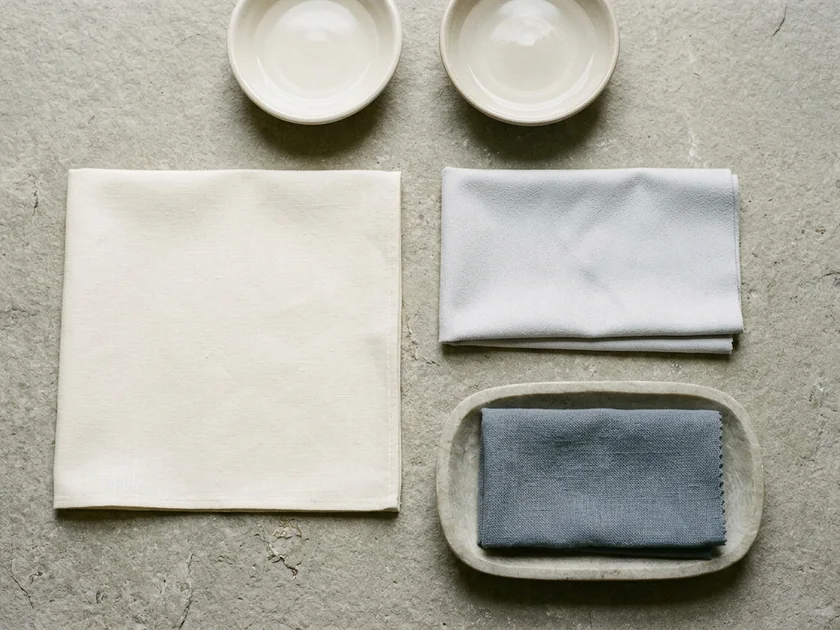
Arrange the wash and rinse before you pick up the jewelry. Keep the polishing cloth separate from the plain cloth you use to wash.
For the basic wash
- Two small, stable bowls and a soft pad or folded towel.
- Lukewarm water and a small amount of mild liquid dish soap without bleach or scrubbing particles.
- Clean, soft, lint-free cloths for washing and blotting.
For a stubborn dark patch
Use a labeled silver polishing cloth only on a compatible finish. Silver creams and liquids vary by formula. Check the label against the finish, every stone and insert, and the whole construction.
How to clean sterling silver jewelry at home
This wash removes everyday grime from a plain, uncoated piece in good condition. James Avery’s sterling silver care guidance recommends mild soap and lukewarm water when the piece is suitable.
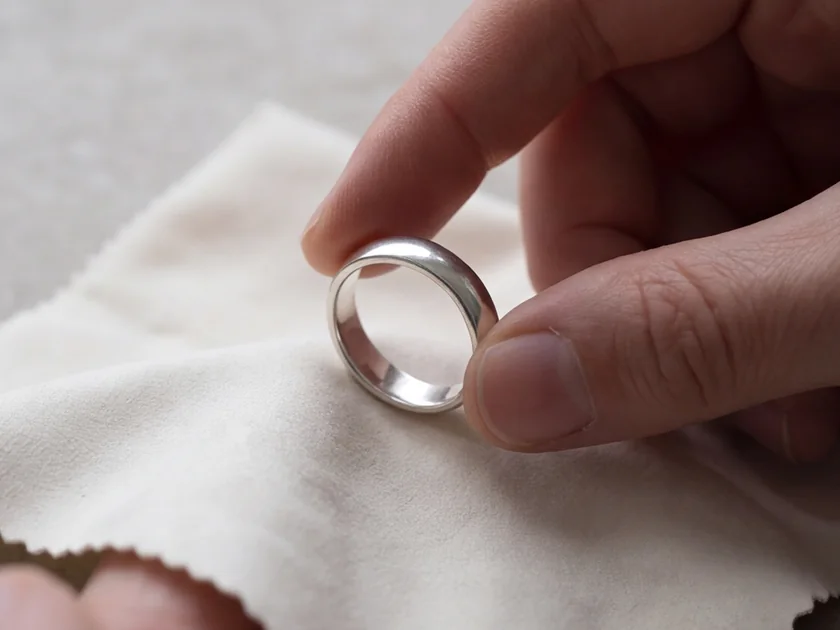
Tilt the piece in good light so you can see the inside and edges. Inspect the ring over a soft surfaceConfirm the metal and finish. Look for cracks, open seams, loose stones, or a weak clasp without pressing or tugging. If you find movement or can’t identify the finish, stop before adding water.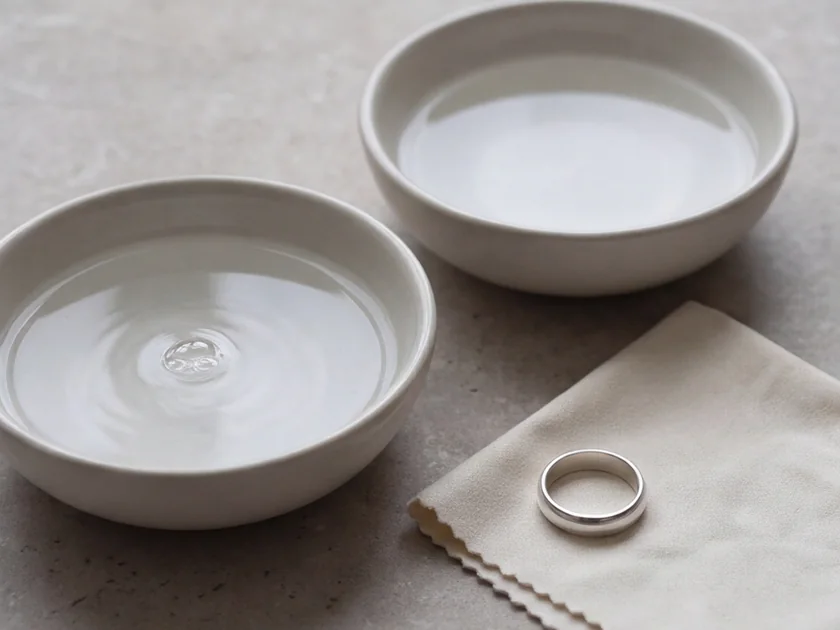
Reserve one bowl for clear rinse water and keep the piece out of both while you set up. Prepare two bowlsPut lukewarm water in both bowls. Stir a small amount of mild dish soap into the wash bowl. Leave the rinse water plain. Work one piece at a time, away from an open drain.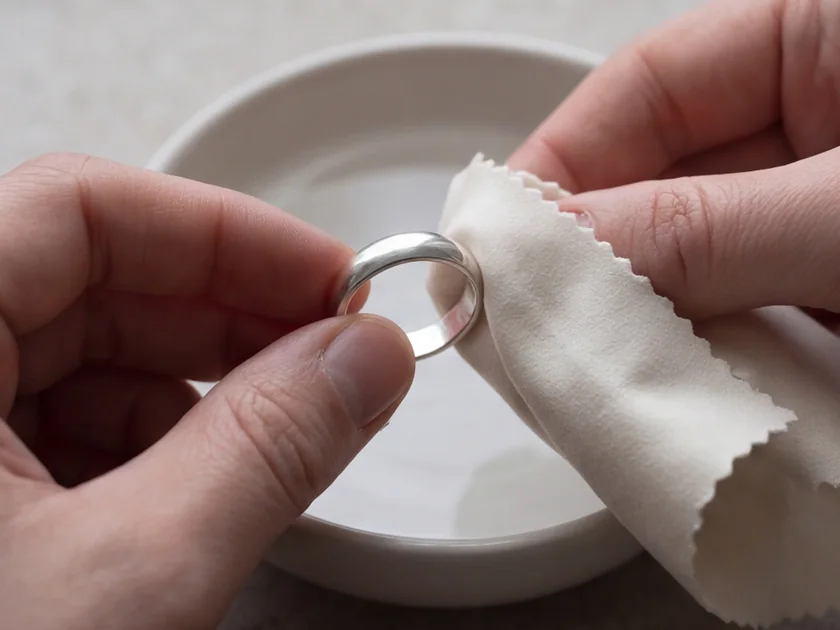
Use a corner of the cloth so you can see where it meets the metal. Wipe with a damp, soft clothDip the cloth in the soap solution, squeeze out the extra water, and gently wipe the metal. Turn the band to reach the inside. Stop if wiping catches on any part of the piece.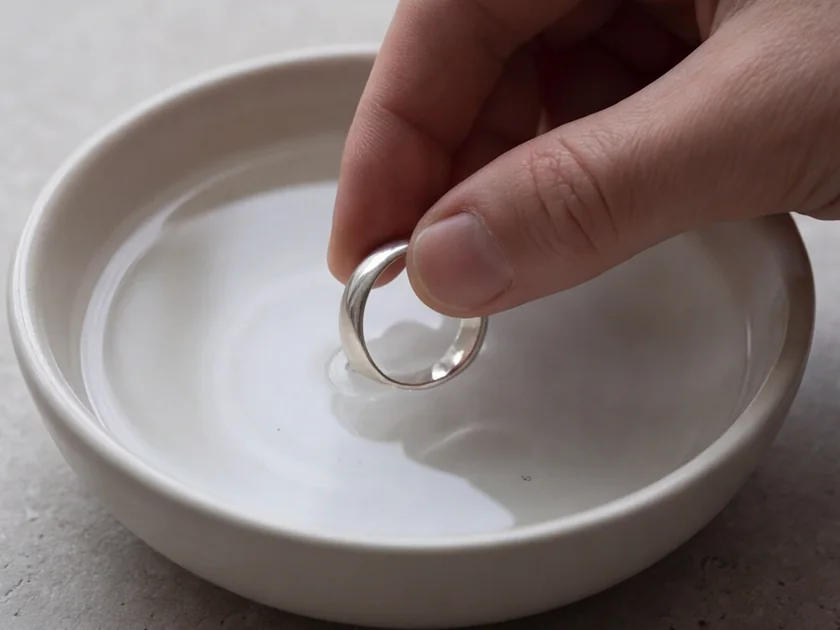
Use the bowl of clean water so the ring stays away from a drain. Rinse away the soapGive the sound, plain piece a brief rinse in the second bowl. Use fresh water again if you still see soap. Lift the piece out promptly.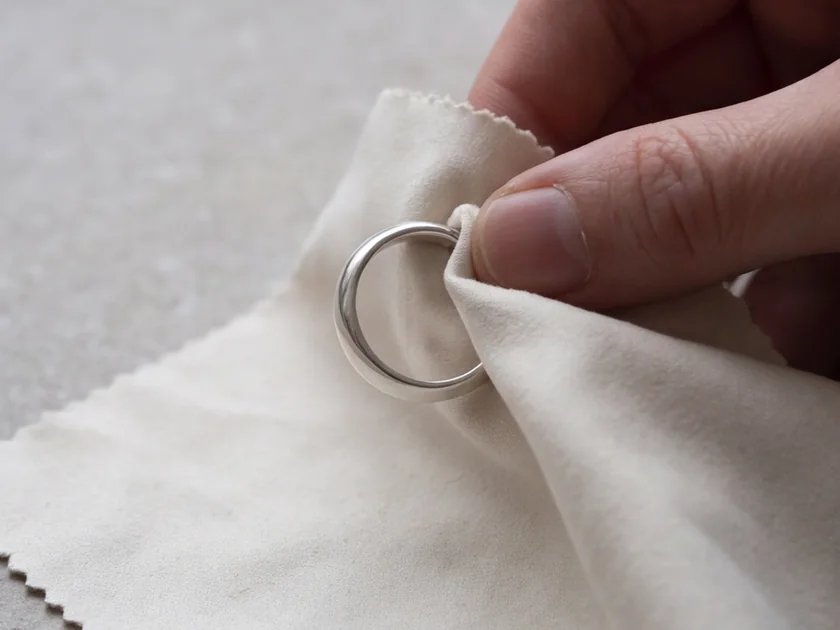
Use a clean, dry cloth after rinsing, including along the inside edge. Blot dryBlot without rubbing. Check folds, links, and clasps for moisture. Let the piece finish drying on a soft surface before putting it away.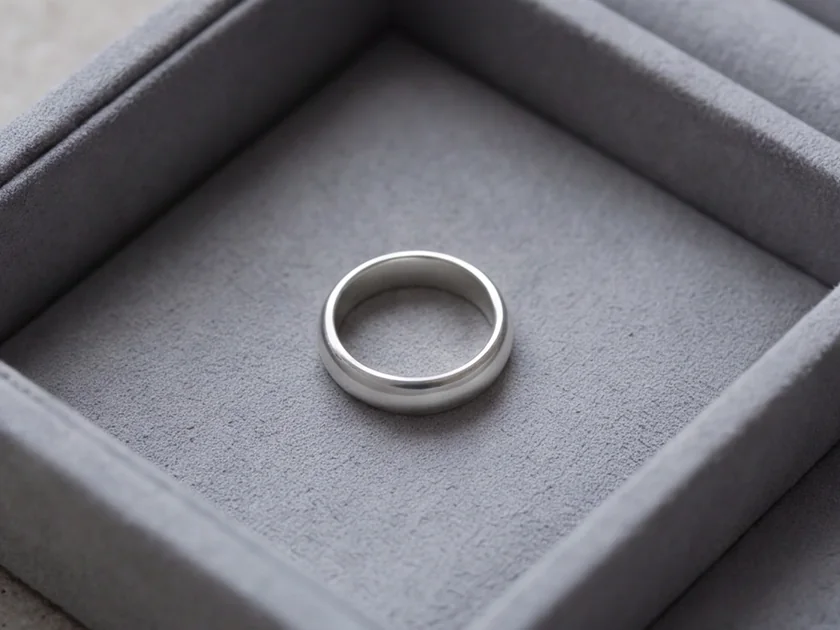
The lined compartment keeps other pieces from rubbing against the dry ring. Store the piece by itselfOnce dry, put the piece in a separate lined compartment or a suitable anti-tarnish pouch. Keep it away from rubber bands and other jewelry.
How to clean tarnished silver jewelry
Wash off grime and let the piece dry first, if it’s suitable for washing. Handle the remaining dark layer separately. Any polish that abrades silver can change the finish, and repeated polishing can thin plate.
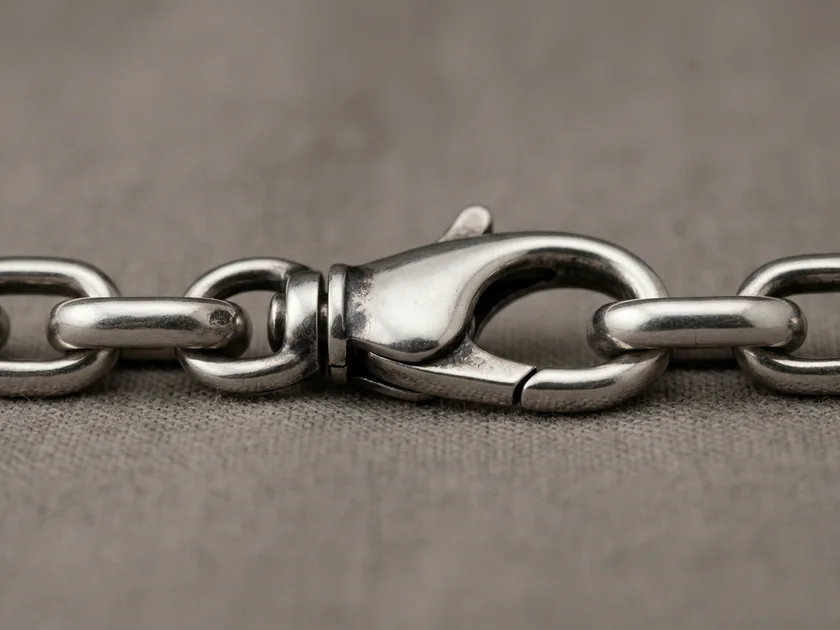
Light tarnish on suitable plain silver
Check the cloth’s label and the maker’s guidance for the piece. Start on a small, inconspicuous area. Use light strokes and stop when the patch looks even. Keep the treated cloth off stones, coatings, and dark decorative recesses.
Heavier tarnish or difficult finishes
On confirmed compatible silver, follow the exact instructions for a silver-specific cream or liquid, including how to remove residue. Skip all-purpose metal polish. A dip can remove intentional contrast and may be hard to rinse out of a hollow piece. Take heavy, patchy tarnish, silver plate of uncertain condition, or a valuable piece to a jeweler.
The Canadian Conservation Institute’s silver care note explains how polish, dips, and electrochemical treatment affect silver. These are conservation methods with their own material and handling limits.
Choose the cloth by its job
A plain, untreated cloth lifts surface grime when used with the appropriate cleaning method. A silver polishing cloth may contain fine abrasive material. Save it for a confirmed compatible surface and use the plain cloth for regular wiping.
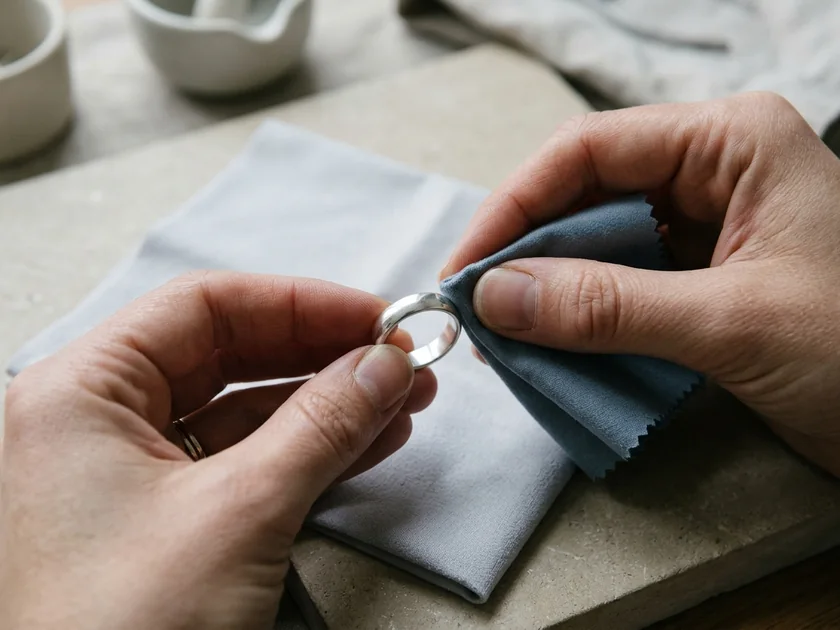
Popular silver cleaning methods, compared
A method that brightens a plain piece can change an intentional finish or damage an insert. First decide whether you’re removing grime, treating tarnish, or dealing with a worn surface.
| Method | Appropriate use | Limitations | Potential damage | Safer alternative |
|---|---|---|---|---|
| Baking soda paste | Abrasive polishing on some suitable plain silver objects. Avoid as a general jewelry method. | Rubbing does the work. The result depends on particles and pressure. | Fine scratches or an altered finish. Particularly risky on plate and matte areas. | Wash grime away on sound, uncoated sterling. Use a compatible silver cloth for light tarnish. |
| Aluminum foil and baking soda | Related to electrochemical tarnish reduction on some all-metal objects. | Conservation guidance describes a controlled carbonate method. Household recipes vary in heat, electrolyte, and contact. | May dull the surface, strip decorative contrast, or leave liquid in seams. Pitting is possible with some setups. | Choose a compatible cloth or have the piece assessed. |
| Toothpaste | Skip it for silver jewelry. | Formulated for teeth. Abrasive content and additives vary. | Fine scratches, altered shine, or residue in crevices. | Use a plain soft cloth and a gentle wash where suitable. |
| Vinegar | Keep it for household tasks other than jewelry cleaning. | Acidic soaking doesn’t account for the full construction, coating, or inserts. | Can affect acid-sensitive gems or other parts. Liquid can be trapped in seams. | Use diluted mild soap for eligible jewelry or seek guidance on the finish. |
| Lemon juice | Skip it as a jewelry cleaner. | Acid strength and ingredients vary. Brightening is an unreliable guide to material condition. | May affect acid-sensitive stones and leave residue around settings. | Use an approved method for the least tolerant material. |
| Salt or salt scrub | Skip it on jewelry. Some foil recipes add salt as an electrolyte. | Salt alone provides no reliable method for removing silver sulfide. | Rubbing with crystals can mark a finish. A soak can leave residue in links and seams. | For plain sterling, start with a soft damp wash cloth and clear rinse water. |
| Silver dips | Only for the exact pieces and surfaces included in the specific product directions. | A label that says “silver” may exclude plate, stones, and antiquing. Some shapes are difficult to rinse. | Loss of decorative patina or damage from residual chemicals in a cavity. | Try a compatible cloth for light tarnish. Ask a jeweler about complex or fragile pieces. |
| Ultrasonic cleaning | A jeweler may use it for confirmed compatible jewelry after inspection. | It loosens trapped dirt. A dark silver sulfide layer calls for a different decision. | Vibration can loosen stones or affect some gems and treatments. | A gentle wash for eligible plain sterling, professional care for an uncertain piece. |
| Steam cleaning | A jeweler may use steam on suitable pieces with secure fittings. | Heat and pressure remove debris. Results depend on each stone, finish, and setting. | Heat can harm sensitive gems or treatments. Pressure can dislodge a loose stone. | Use mild cleaning only where suitable or ask a jeweler to inspect the piece. |
For an example of a product-specific exclusion, Connoisseurs’ sterling silver dip directions rule out plated and antiqued surfaces and pieces with stones. Another product may give different directions. Check the actual label and the jewelry maker’s guidance before using either.
Clean around the construction
Handle the jewelry in good light over a padded work surface. If the maker permits a wash, pay particular attention to places where soap and moisture can collect.
Rings
Wipe the inside of a plain band and the areas next to any engraving. On a set ring, first check the prongs and under-gallery. If a stone moves or a prong catches fabric, stop.
Chains and necklaces
Lay the chain flat to support the links. Clean accessible surfaces gently without pulling the chain through the cloth. Check around the clasp and end rings. Leave hollow links, pendants with compartments, and fragile strands out of a bath.
Bracelets
Support the links near the clasp so they don’t pull against it. Check hinges and pins on bangles and look for a failing catch on a charm bracelet. Blot accessible joins after an approved wash.
Earrings
Set backs aside in the same padded tray so you can find them again. Clean around accessible posts, hinges, or wires with the method appropriate to the finish. Keep liquid out of glued or enclosed parts and stop if a hinge is loose.
Pendants
Check the bail and back, where the pendant meets the chain or skin. If the bail protects a glued inset, closed-back setting, or compartment, keep it dry until the maker confirms how to clean it.
Silver jewelry with gemstones
Match the method to the stone, any treatment, and how it’s held. A loose setting, unknown treatment, or glued join calls for advice before washing. Keep silver polishing compounds away from the stones and mounts unless the maker approves the exact product.
Diamonds and other hard stones
Mild cleaning may suit a known, secure diamond setting and compatible metal. A fracture-filled diamond or a piece with a second, more sensitive stone calls for separate instructions. Check the full setting before considering ultrasonic or steam cleaning.
Pearls
Wipe after wear with a clean soft cloth. Ask how to clean the whole piece before wetting a string, glued pearl, or mixed-material setting. Keep pearls away from silver dip, steam, and ultrasonic cleaning.
Opal and turquoise
Ask whether the stone is treated, assembled, or mounted with adhesive. GIA gives stone-specific care for opal and turquoise. Its guidance does not establish that an unknown doublet, triplet, or treated turquoise piece can be soaked. Skip steam, ultrasonic cleaning, and acid cleaners on these pieces.
Other sensitive or unknown inserts
Choose care for the least tolerant component. With coral, amber, soft or porous materials, or uncertain inserts, ask about the treatment and attachment before using water or a chemical cleaner.
See GIA’s care advice for gems and jewelry for examples of when heat, chemicals, or vibration can cause damage.
How to keep silver jewelry from tarnishing
Wipe away fresh residue as the piece’s finish allows. Let jewelry dry before it goes into a box or pouch.
After wearing
- Let lotions, perfume, and other cosmetics dry before putting on jewelry. Remove it before swimming, using bleach, or handling household cleaners.
- Support chains and wipe accessible surfaces with a clean, plain cloth. Set aside damp pieces before closing the box.
Between wears
- Use separate lined compartments or suitable soft pouches to reduce rubbing and tangles.
- For plain dry silver, consider a pouch or container with a tarnish-inhibiting cloth or strip. Replace strips on the maker’s schedule and keep rubber bands away.
- Follow separate storage guidance for pearls, opals, and mixed-material pieces. Storage advice for plain silver doesn’t automatically apply to its stones.
When to see a jeweler
Ask a jeweler to identify the finish or check the construction before you try to clean a valuable, antique, or unknown piece. Stop if you see flaking, exposed base metal, a crack, a moving stone, or a failing clasp.
Before buying a care product
- Confirm the metal, coating, stones, any treatments, and join type.
- Read the full product directions and exclusions. Look for explicit compatibility with the entire piece.
- Ask the seller what professional care, repairs, or refinishing are available for the finish.
Before putting the piece away
- Check for residue and moisture around the inside, clasp, or links.
- Pause if the remaining dark area could be patina, lost plate, or a repair.
- Store the dry piece separately. Keep a note of the maker’s care instructions.
Silver jewelry cleaning questions
Does a black patch mean silver is fake?
No. Both silver alloys and silver coatings can tarnish. An intentional finish, residue, or exposed metal can also change the appearance. Use the maker’s description or seek a jeweler’s opinion on an unfamiliar piece.
How often should I wash or polish silver jewelry?
Clean when you see noticeable residue and the piece is eligible for the wash. Save polishing for visible tarnish on a compatible finish. Frequent abrasive polishing can change the finish or wear through plating.
Do I need distilled water to clean a silver ring?
For a sound, plain ring that can get wet, fresh lukewarm water is a practical starting point. If your tap water leaves spots, try distilled water for the final rinse and blot dry. This doesn’t make an unsuitable piece safe to wet.
Should I soak a silver chain overnight?
Skip a long soak. It can leave liquid around a clasp, hollow link, or joined components. Use the maker’s care instructions for the chain, and ask a jeweler about debris you can’t reach.
Why does my polishing cloth turn black?
A treated cloth can pick up dark material as it works. That color cannot establish the jewelry’s metal or prove it is safe to continue. Check the surface after a few light strokes and stop if the finish changes.
Can I wash a treated silver polishing cloth?
Check the cloth’s own directions. Washing can remove the treatment from some polishing cloths. Launder the separate plain cleaning cloth as directed so it stays free of grit and polish.
Should I take silver jewelry off before a pool or hot tub?
Yes. Keep it away from chlorinated water. If it was exposed, check the maker’s care guide for the finish and stones before rinsing. Ask a jeweler if an unfamiliar patch remains.
Why is there dark color inside the engraving after cleaning?
It may be decorative oxidation, which gives the grooves contrast. An old deposit can look similar. Confirm the style with the maker before applying a polish or dip across the engraved area.
Can cleaning fix a silver-coated piece that’s turning copper-colored?
Cleaning removes surface material. It can’t replace worn silver. Check the maker’s description and have a jeweler assess whether the discoloration is exposed base metal and whether refinishing is practical.