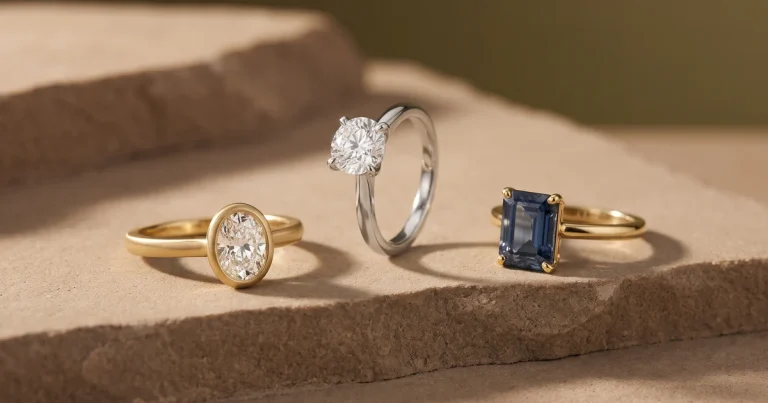
Lab-Grown vs Natural Diamonds: What Changes?
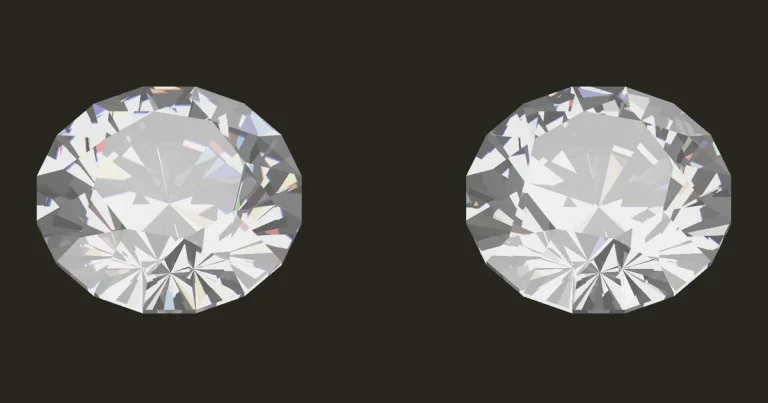
Two diamonds can look alike and have different origins. Compare how the stones were formed, how their reports describe them and what the price includes.

- Natural Diamond
- Formed in Earth
- Lab-Grown Diamond
- Grown from a seed
Lab-Grown vs. Natural Diamonds: The Short Answer
Both are diamonds. Choose by the appearance of the individual stone, the origin you want, the finished price and what the seller will put in writing. A face-up view and an ordinary diamond tester cannot establish origin.
Compare the reports · Compare price and resale · Choose by priority
| Difference | Natural Diamond | Lab-Grown Diamond |
|---|---|---|
| Origin | Forms deep in Earth, then is brought to the surface in rock. | Grows from a diamond seed by HPHT or CVD. |
| Material | Diamond. Carbon atoms in a diamond crystal structure. | Diamond. The same characteristic chemical, physical and optical properties. |
| Appearance | Judge proportions, finish and light return on the actual stone. | Use the same eye test for appearance. Origin needs separate verification. |
| Everyday wear | Mohs 10 for scratch resistance. Edges can still chip. | Same scratch resistance. Check edge exposure and setting security. |
| Origin verification | Match the written disclosure and report to the stone. | Match the disclosure and applicable lab report. A pen tester cannot confirm origin. |
| Quality report | The issuer grades applicable characteristics for its natural-diamond service. | Check the issuer, report date and scope. GIA and IGI use different lab-grown formats. |
| Upfront price | Compare actual stones and the total cost in the same mounting. | Compare the same specifications and the same finished-ring costs. |
| Resale and upgrades | Ask for a dated cash offer or read the exact upgrade terms. | Check which buyers accept it and what an upgrade credit requires. |
| Sourcing | Ask what is traceable and whose claim is being verified. | Ask about the producer, power source and scope of any footprint claim. |
What Changes When the Origin Changes?
Natural diamonds crystallize from carbon deep within Earth under high pressure and temperature. Some are carried closer to the surface in volcanic rock. In a laboratory, growers start with a diamond seed. HPHT uses high pressure and heat to grow the crystal. CVD adds carbon to the seed from a gas in a chamber. A diamond can also receive treatment after growth. That is a separate point to check on the documentation.
Both origins yield crystalline carbon with the characteristic chemical, physical and optical properties of diamond. Differences in how a crystal grew can leave signals in its impurities or defects that a lab can analyze. The GIA study of laboratory-grown diamonds explains how those signals are used.
Can You Tell Which Diamond Is Which?
You cannot reliably establish origin by looking at sparkle, color or the shape of an inclusion. Similar proportions and finish can yield a similar look. A qualified lab evaluates evidence from tools such as spectroscopy and specialized imaging. A screening result can call for a further test.
An ordinary thermal diamond tester reads a material property shared by natural and lab-grown diamonds. Some testers can also give a diamond-like reading on moissanite. A lab-grown diamond is diamond. Moissanite and cubic zirconia are different materials that can imitate its appearance. For that choice, see our moissanite and diamond comparison.
Sparkle and daily wear
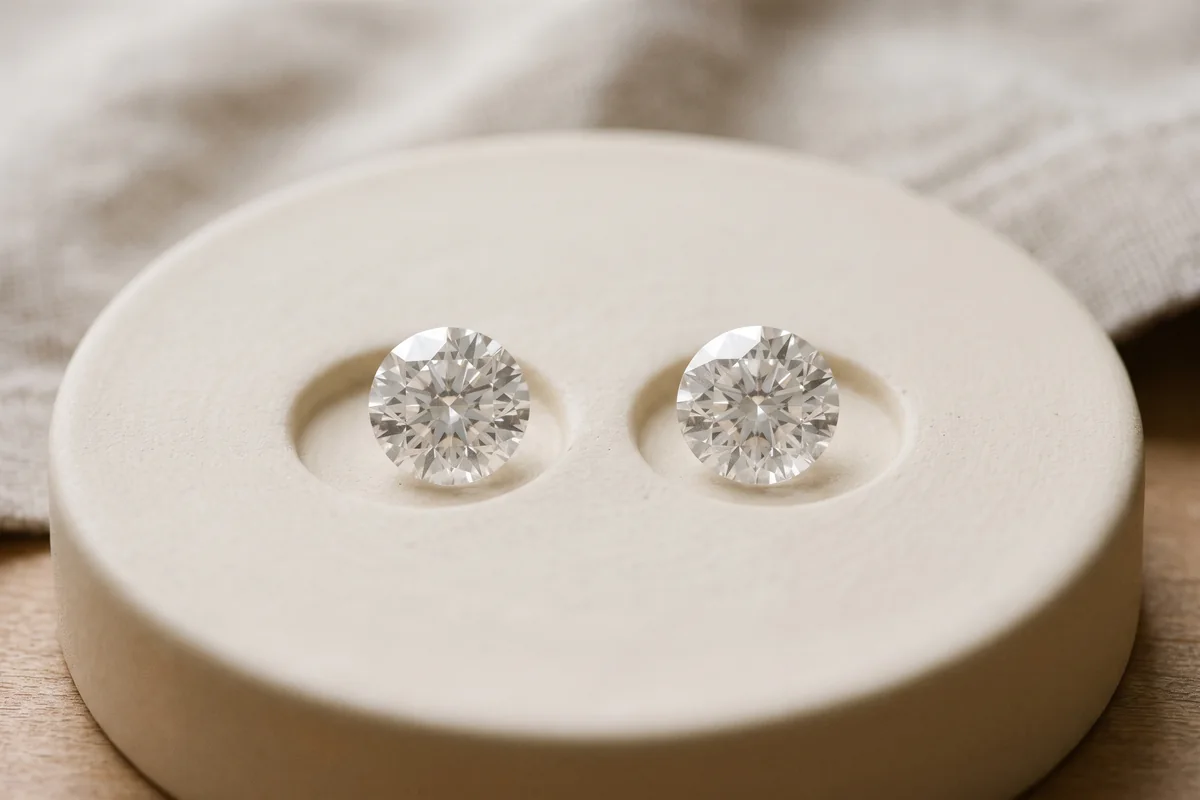
Compare both stones in the same light and tip them gently. Look for the pattern of bright reflections, colored flashes and contrast that you prefer. Cut and finish vary among stones of either origin. Both have diamond’s Mohs hardness of 10. Hardness describes scratch resistance. An impact at an exposed edge can still chip a diamond, so inspect the setting and condition of the stone.
How to Compare Quality and Grading Reports
Look at cut, color, clarity and carat weight for buying context. Use the report’s measurements to compare face-up size and try the actual stone to judge appearance. The words a lab uses depend on the issuer, report type and issue date.
GIA and IGI describe lab-grown quality differently
Starting October 1, 2025, GIA’s updated service uses Premium or Standard as overall quality descriptions for eligible colorless to near-colorless lab-grown diamonds. It considers color, clarity and finish, and cut where applicable. Older GIA lab-grown reports can use a different format. GIA natural-diamond reports use the familiar grade terminology where applicable. An overall cut grade depends on the service and shape.
IGI laboratory-grown diamond reports document applicable characteristics such as measurements and the 4Cs. Growth method and detected treatments may appear in the comments when requested and applicable. Check the report itself. An overall category and an individual color or clarity grade are different kinds of information.
The U.S. FTC Jewelry Guides call for clear disclosure when a laboratory-grown product is described as a diamond. Check the origin on the item description and the invoice. If a ring has multiple stones, ask how the center and accents are described. A report for the center stone only covers that stone.
Compare the Price Now and the Options Later
Ask for two matched quotes
Lab-grown diamonds often have a lower upfront asking price than broadly comparable natural stones. The gap varies by stone and seller. Start with the same shape, carat range, face-up dimensions, finish and comparable quality information. Check the grading lab and report type. Similar-looking grades from different services need context.
The Blue Nile pricing guide shows different starting prices for natural and lab-grown diamonds of the same weight. Use actual quotes for the stones you shortlist. Request an itemized price for the finished ring, using the same mounting, metal, accents and services.
Cash resale, buyback and store credit
A cash offer tells you what an actual buyer will pay today. A buyback is a promise only to the extent of its written terms. A trade-in or upgrade usually gives credit toward a qualifying purchase. For instance, Blue Nile’s U.S. policy, checked November 24, 2026, describes an eligible like-for-like upgrade as credit toward a qualifying purchase and says it offers no jewelry buyback. Read the current terms for your seller.
Ask what is eligible, what you must spend next and whether the center stone or the whole ring is covered. Check the return window separately. A retail receipt, an appraisal and an upgrade credit each answer a different question from a cash offer. If future liquidity matters, ask actual buyers whether they take the stone and how they would quote it. Demand and offers can change for either origin.
What Can a Sourcing Claim Tell You?
Ask what can be traced for the stone you are buying. For a natural diamond, that may include documented suppliers or origin evidence. For a lab-grown diamond, ask about the grower, production location and power source. Ask which records cover labor practices as well as how the producer’s environmental claim was measured.
Comparisons depend on what was counted. A footprint for growth or extraction alone covers a different scope from one that includes cutting, transport and the setting. Ask for the measurement date, the unit being compared and what was independently checked. A climate figure alone does not tell you how workers were treated. The FTC discussion of diamond advertising cautions against broad environmental claims without reliable support and appropriate qualification.
Which Diamond Should You Buy?
You might choose a natural diamond because its geological origin matters to you. You might choose a lab-grown diamond to keep a preferred size or setting in budget. If neither origin is a deciding factor, compare the two specific stones and both written offers before paying.
| Priority | What to Try | What to Check | Trade-off |
|---|---|---|---|
| Get the look within a fixed budget | Price the two finished rings. Include the same mounting and services. | Same shape, measurements, applicable grades and setting. | A lower center-stone quote can change once the whole ring is priced. |
| Choose a diamond for its geological origin | Start with natural diamonds and find a stone you like in motion. | Written natural-origin disclosure and matching report. | You may choose a different size or grade to stay within budget. |
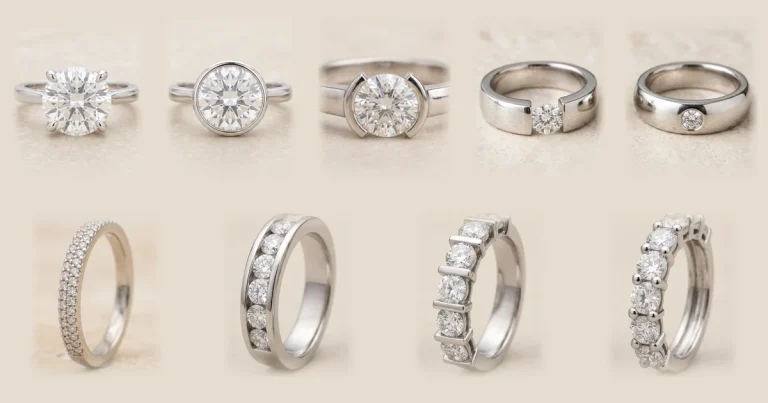
| Prioritize a particular setting or face-up size | Try both origins in the same profile. Let the ring geometry lead. | Millimeter dimensions, basket height and band clearance. | Equal carat weight can look different on the hand. |
| Keep future options open | Ask about return, cash resale, buyback and trade-in separately. | Eligibility, cash vs. store credit and any new-spend requirement. | A printed upgrade credit may only apply to a future purchase. |
| Require a credible sourcing claim | Ask for documentation on the specific stone or supplier. | What it covers, date, boundaries and what was independently checked. | Origin alone supplies too little evidence for an environmental or labor comparison. |
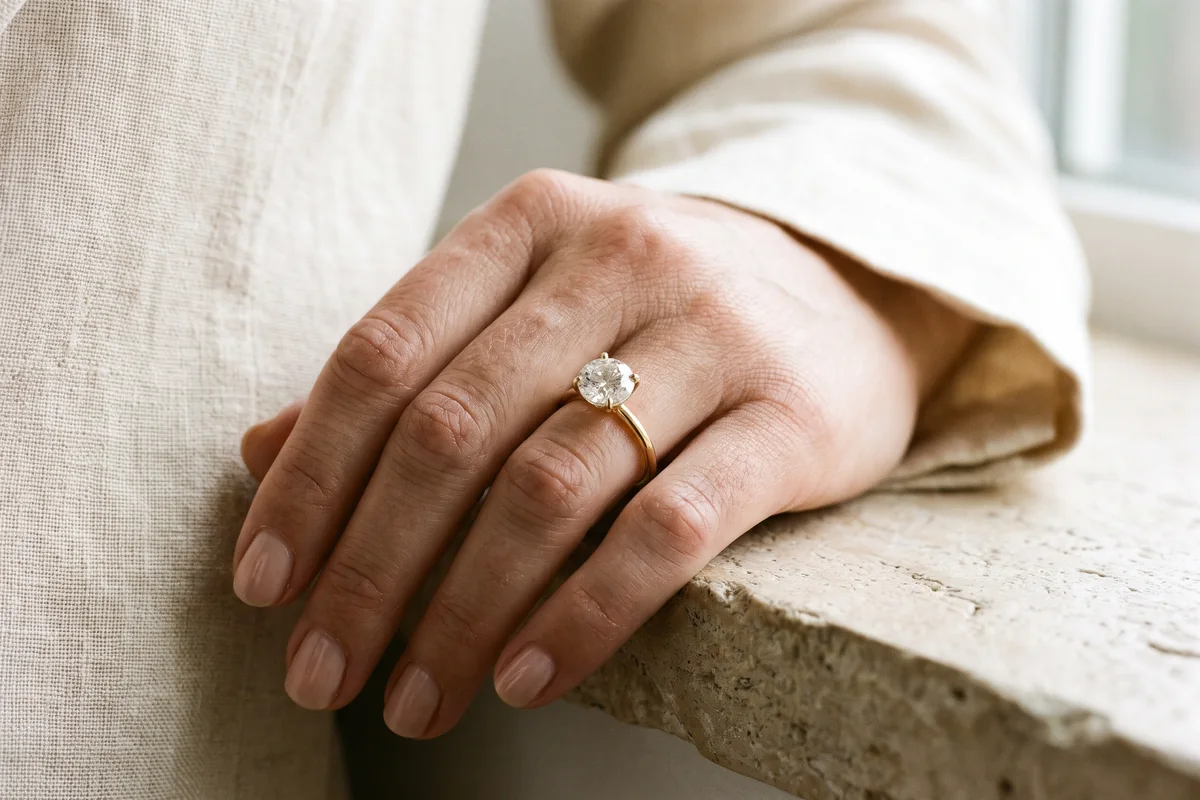
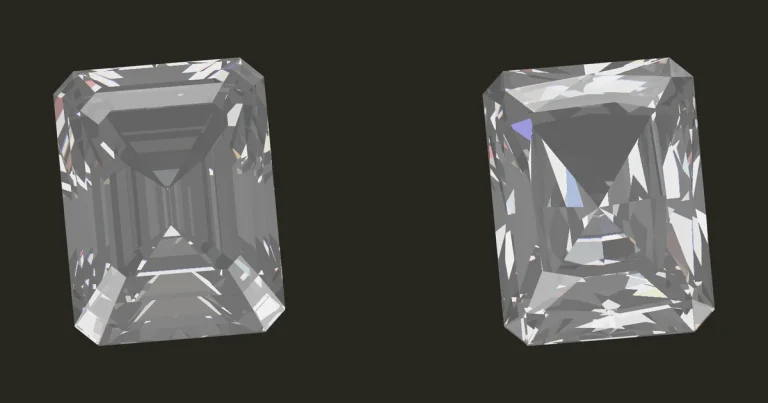
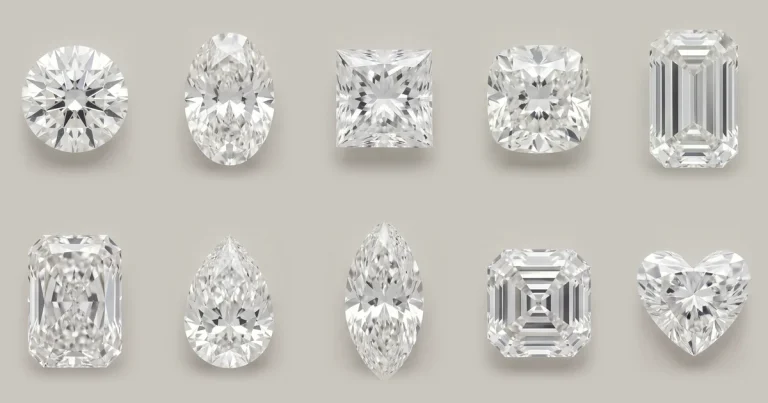
Try the ring shape and setting before locking in a carat target. A setting can change how much of the stone you notice and how high the ring sits. If you are still choosing a rectangular shape, compare emerald and radiant cuts separately.
Diamond Buying Checklist
- Set the ring budget. Ask for the same metal and mounting in both quotes and keep the total visible.
- Get the origin in writing. Check the center and ask separately about the accent stones when the ring has them.
- Verify the report and match the stone. Confirm the issuer, type, date and details. Ask a jeweler to match the inscription, where present, and other identifying information.
- Compare in the same light. Look at both stones in motion, check their face-up dimensions and see how each ring sits.
- Read the policies separately. Check the return deadline, repair or resizing coverage, and any conditions on buyback or upgrade credit.
- Ask for evidence of specific sourcing claims. Keep any relevant documentation with your receipt and report.
Lab-Grown and Natural Diamond FAQ
Is a lab-grown diamond a real diamond?
Yes. It has diamond’s crystal structure and characteristic properties. “Lab-grown” tells you how it formed. If a listing describes a stone as a simulant, such as cubic zirconia or moissanite, that describes a different material.
Can a jeweler tell whether my diamond is lab-grown without a report?
A jeweler can inspect available markings and screen the stone with suitable equipment. A screen can refer it for further testing. If documentation is missing or inconsistent, ask whether the stone can be examined by a qualified gemological laboratory.
Does HPHT or CVD make a better engagement-ring diamond?
Use the growth method as documentation. Judge the individual diamond by its appearance, condition and applicable quality information. If the report contains both CVD and HPHT, ask which term describes growth and which, if either, describes a later treatment.
Why doesn’t my newer GIA lab-grown assessment show a color letter?
GIA changed its eligible colorless to near-colorless lab-grown service in October 2025. Read the exact service name and issue date. If you are comparing it with a report that gives an individual color grade, view the stones under the same light instead of translating the overall category into a letter.
Is a lab-grown diamond suitable for daily wear?
Yes. The same care issues apply to a natural diamond in the same type of ring. Check exposed points, secure prongs and how high the ring sits before choosing it for work or frequent wear.
Can I sell or trade in a lab-grown diamond later?
It depends on who will buy it and what the seller promises in writing. Ask an independent buyer for a current cash quote if you need a cash exit. For an upgrade, check whether the retailer will accept the stone and what replacement purchase is required.
Can a diamond report tell me whether the ring was responsibly sourced?
An ordinary grading report documents the stone or jewelry that was examined and the observations within that service. For sourcing, ask for separate records and confirm whether they cover the center stone, accents, setting or an entire supplier program.
References
- GIA, Natural Diamonds, natural formation and material properties.
- GIA, How to Protect Your Diamond from Chipping, hardness and impact damage.
- GIA, Laboratory-Grown Diamonds: An Update on Identification, growth and lab screening.
- FTC, Jewelry Guides, 16 CFR § 23.12, diamond terminology and disclosure.