- Metals
- Platinum & white metals
- Platinum vs white gold
Platinum vs White Gold Which metal should you choose?
On day one they look almost the same. The difference is in what each ring is made of, and what it asks of you over the years.

- Platinum 950
- One metal, edge to edge
- 14K white gold
- Gold alloy under rhodium
Short answer
Choose platinum if you want a ring that stays the same colour by itself and suits sensitive skin. Choose white gold if a lower price and a lighter ring matter more, and you don’t mind a re-plate every few years.
Platinum is the better fit if
- you’ll wear it every day and want little upkeep
- you react to nickel, or aren’t sure
- it holds an important stone you plan to keep for decades
White gold is the better fit if
- you want the most design for your budget
- you prefer a lighter feel, especially in a wide band
- you like a bright, mirror-white finish and will keep it up
Jump to: side-by-side table · which one for you · care & repair
How they compare
The same plain band in each metal. The last column says which one each point favours — or that it comes down to taste.
| What you compare | Platinum 950 | 14K white gold | Favours |
|---|---|---|---|
| Colour over time | Stays grey-white; no coating to wear off | Bright white plating wears; the warmer alloy shows through | Platinum |
| Weight | ≈ 9.6–10.3 g noticeably heavy in the hand | ≈ 6.1–7.1 g lighter, easier in wide bands | Your call |
| Light marks when new | Marks quickly into a soft satin sheen | Hard plating shrugs off light marks at first | White gold |
| Metal lost over decades | Scratches mostly push metal aside 3 | Each polish before re-plating removes a little | Platinum |
| Upkeep | Optional polish if you want the shine back | Re-plating every few years to stay bright | Platinum |
| Nickel-sensitive skin | Common platinum alloys contain no nickel | Some alloys use nickel; palladium white gold avoids it 4 | Platinum |
| Price to buy | Usually higher for the same design | Usually lower | White gold |
| Resizing & repair | Needs higher heat, platinum solder and practice | Routine at most jewelers, then a re-plate | White gold |
One is solid metal. The other wears a coat.
Cut both bands in half and the whole comparison makes sense. Platinum is the same metal all the way through. White gold is a gold alloy with a thin layer of rhodium on top.
Platinum 950
14K white gold
- Rhodium plating: bright and hard, but very thin. Drawn far thicker than it is.
- Gold alloy: 585 parts in 1000 gold (750 in 18K), whitened with nickel or palladium plus other metals 1. No gold alloy is fully white.
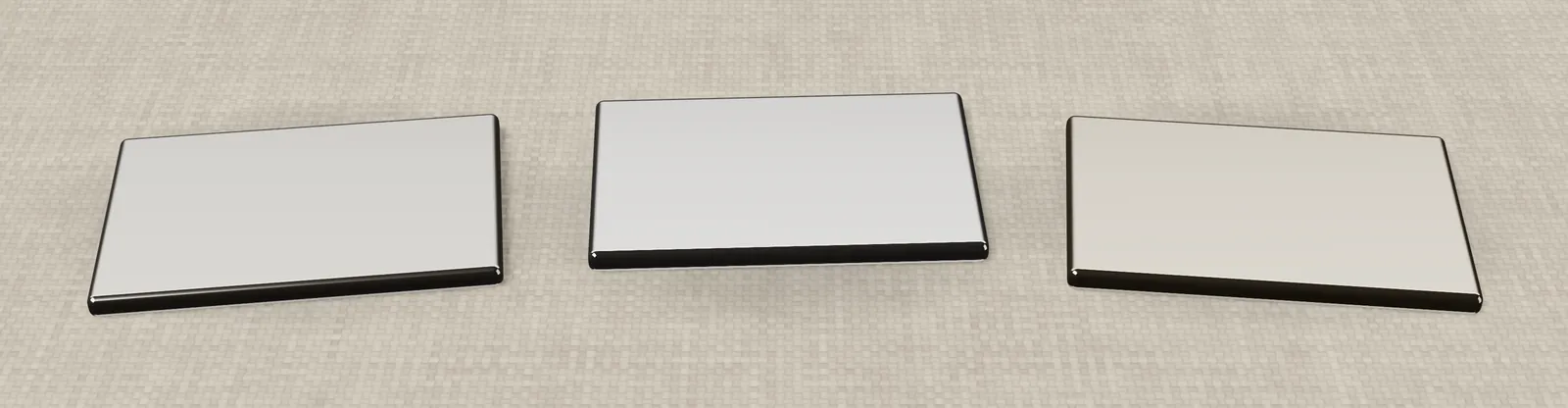
How each one feels, and how it ages
Weight of the same band
US size 7, 5 × 1.8 mm, comfort fit
Calculated from the band’s volume and alloy densities 2; the pale end of each bar is the range between common alloys. An estimate, not a measurement
Platinum is roughly 1.4–1.7 times heavier than 14K white gold for the same design. Ask for the weight in grams: it tells you how much metal you are paying for.
- Rhodium is hard but very thin White gold
- It looks flawless early on, then thins on the palm side and edges. A worn ring isn’t damaged; it needs re-plating.
- Platinum marks easily but keeps its metal Platinum
- Expect a satin patina within months. A polish brings the mirror back; many owners prefer the patina.
- Platinum is about 1.5× denser Platinum
- The same design feels heavier. Pleasant in a slim band, tiring in a wide one.
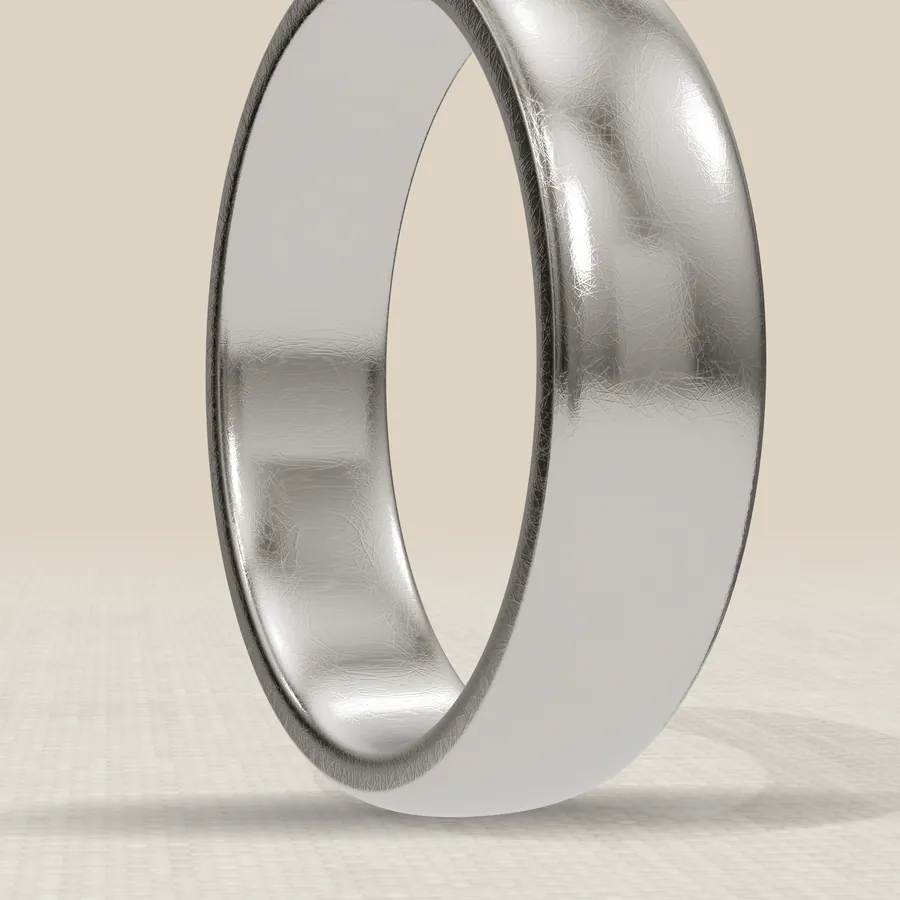
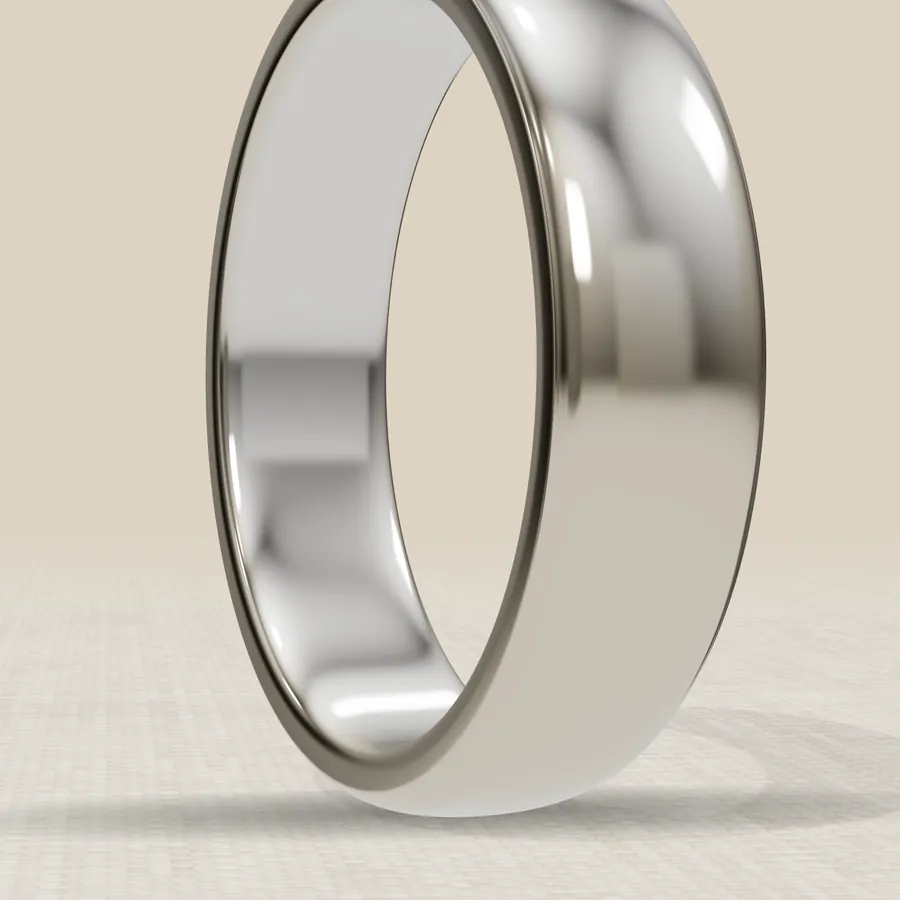
Where the money goes
Per ounce, platinum has often traded below gold in recent years, yet platinum rings usually cost more. The ring holds more precious metal — 95% against 58.5% — and more grams of it, and it takes more specialised bench work.
Metal prices move daily. Compare current quotes for the same design rather than any rule of thumb.
| When | Platinum | White gold |
|---|---|---|
| At the counter | Higher: more metal, purer alloy, more labour | Lower for the same design |
| First few years | Nothing required | First re-plate, depending on wear |
| Over a decade | Optional polishing | Several re-plates; small cost each time |
| If resized | Often costs more; ask if it’s done in-house | Routine, followed by a re-plate |
Six real buying situations
A wedding band worn every day, for life
PlatinumNo coating to maintain, and it keeps its metal through decades of wear.
A diamond engagement ring on a fixed budget
White goldThe saving can go into the stone. Ask for platinum prongs if they’re offered.
You’ve reacted to cheap earrings or buckles
Platinumor palladium white goldNickel is the usual cause. Ask what the white gold is alloyed with.
A wide band, 7 mm or more
White goldPlatinum’s weight adds up quickly across a wide band.
You work with your hands
PlatinumIt will scratch, but it won’t wear through a coating; a polish resets it.
Matching a ring you already own
Same metalRings worn together rub. The same metal ages the same way and keeps the colours matched.
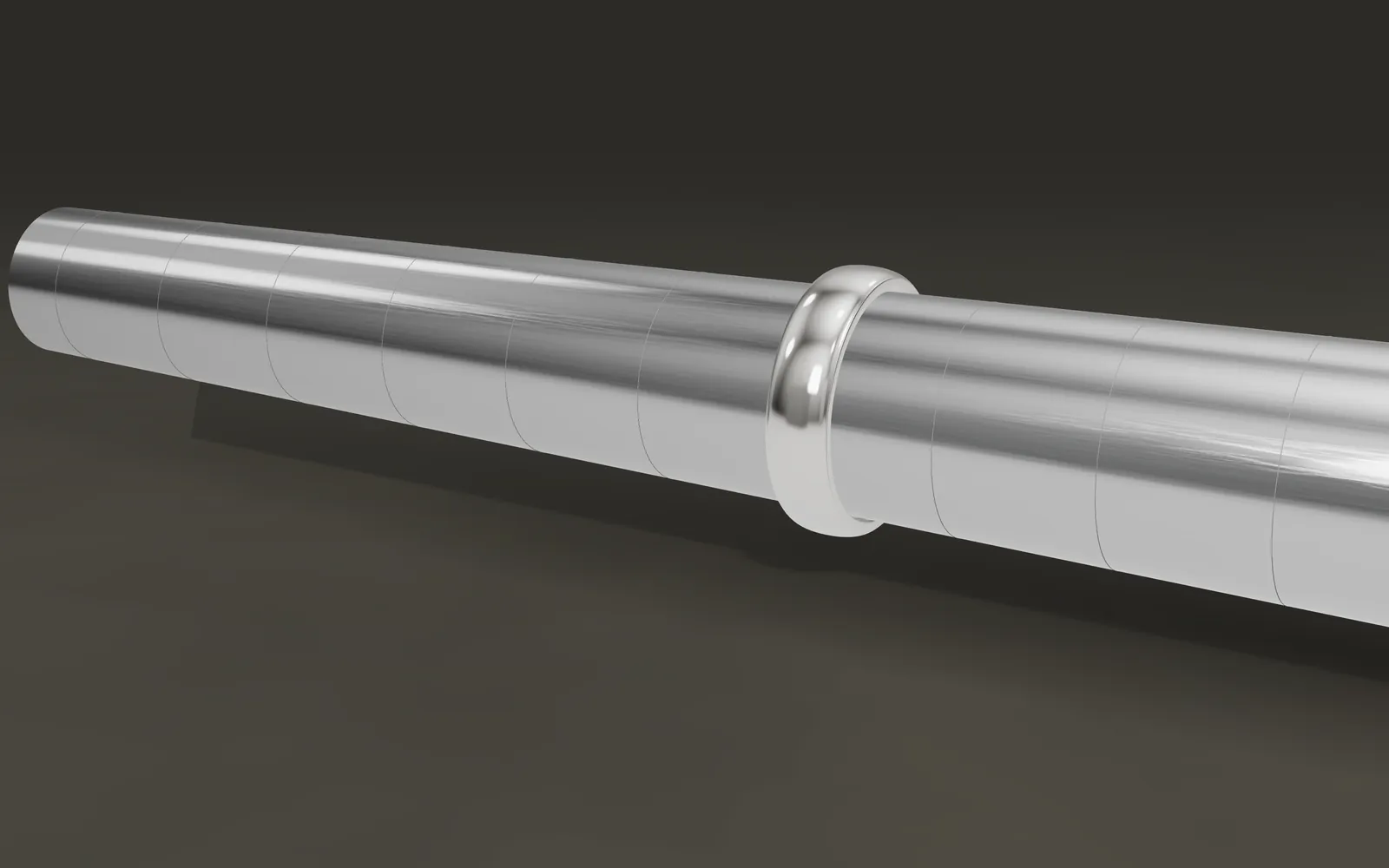
Looking after each metal
Everyday care is the same. Warm water, a drop of mild dish soap and a soft brush. Keep white gold away from chlorinated pools and bleach.
Resizing. The band is cut, metal is added or removed, and the joint is soldered and finished. In white gold this is routine and ends with a re-plate. Platinum needs higher heat and platinum solder, so ask whether the work is done in-house.
What happens at a re-plate
- Inspect. Prongs and thin spots are checked first.
- Polish. Scratches are removed, because plating shows every mark beneath it.
- Clean. The ring is degreased so the plating bonds evenly.
- Plate. A short electroplating bath, then a rinse and a colour check
From the bench
Read the stamp, not the shine
New, the two are hard to tell apart. The stamp inside the band — PT950, or 14K / 585 — is the quick tell.
Don’t plate over scratches
Fresh rhodium highlights every mark under it. Ask for a light polish first, not a heavy one each time.
Plating won’t fix a nickel reaction
It helps only until it wears. If nickel is the problem, change the alloy, not the coating.
Final recommendation
Platinum is the ring you leave alone. White gold is the ring you look after.
Choose platinum
for a daily ring that stays white by itself, suits sensitive skin and holds an important stone — and accept the higher price and weight.
Choose white gold
for a lighter ring and a lower price, and budget for a re-plate every few years. Ask whether the alloy contains nickel.
Keep reading
- U.S. Federal Trade Commission, Guides for the Jewelry, Precious Metals, and Pewter Industries, 16 CFR Part 23.
- J. Rumble (ed.), CRC Handbook of Chemistry and Physics — element densities. Alloy densities calculated by TrueJeweller.
- Platinum Guild International — technical literature on platinum jewelry alloys and finishing.
- Regulation (EC) No 1907/2006 (REACH), Annex XVII, entry 27 — nickel.