Types of Bracelet Clasps
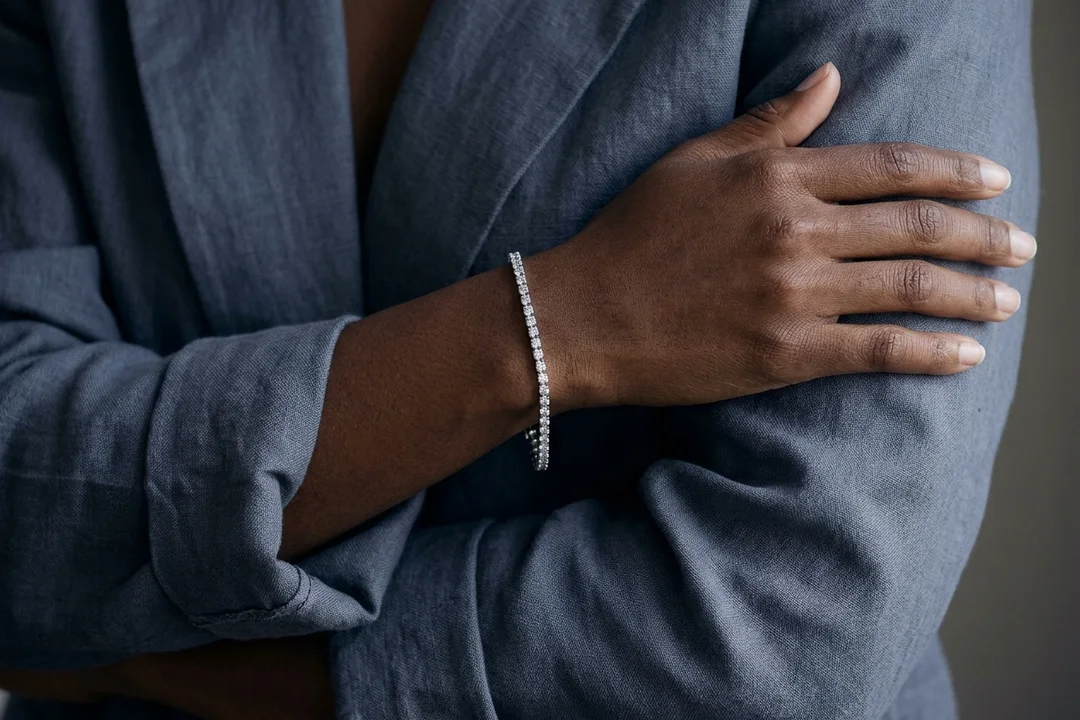
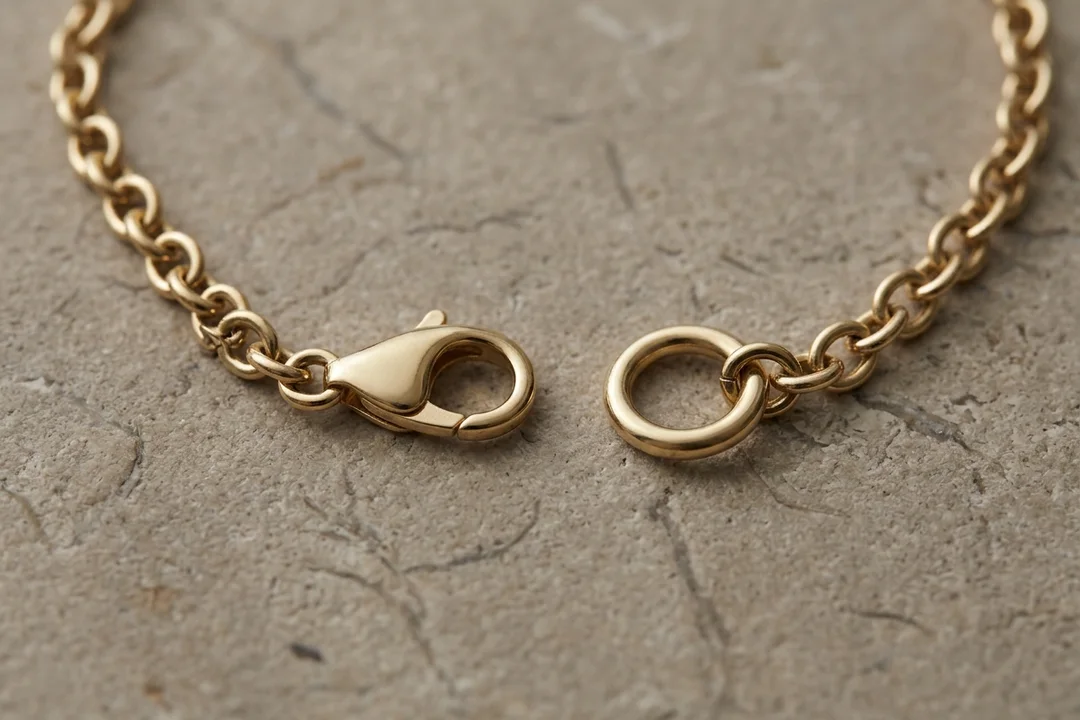
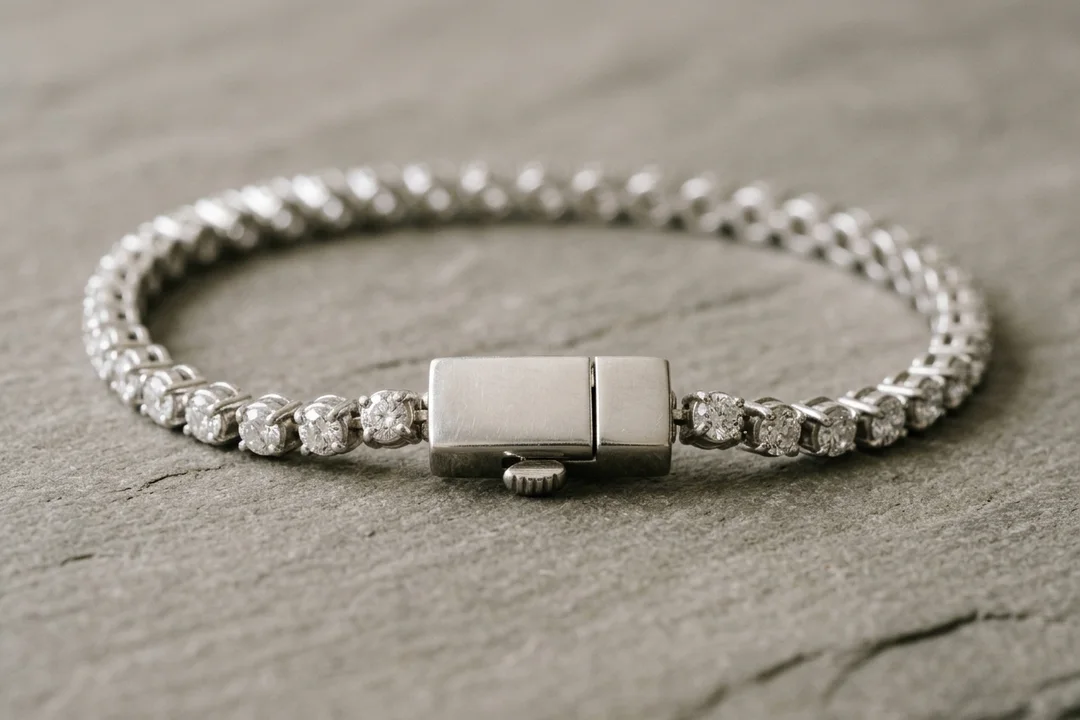
A lobster clasp with a lever you can grip is worth trying on an everyday chain. For a tennis bracelet, ask to try the box clasp and any separate safety catch.
Try the exact closure on your wrist before you buy. Check whether you can reach the release and keep both ends steady with one hand.

Which bracelet clasp should you choose?
Pick for the bracelet you’ll wear and how often you’ll take it off. Try your shortlist on the wrist where you’ll actually wear it.
Everyday bracelets
A lobster lever can be easier to grip. A spring ring keeps a fine chain light, but its tab may be tiny.
Tennis bracelets and fine jewelry
Box clasp with a safety catchA low profile blends into the bracelet. Check that the tongue and each safety catch hold separately.
Easy one-handed fastening
Magnets guide the ends together. A toggle avoids a spring lever, but needs the right fit.
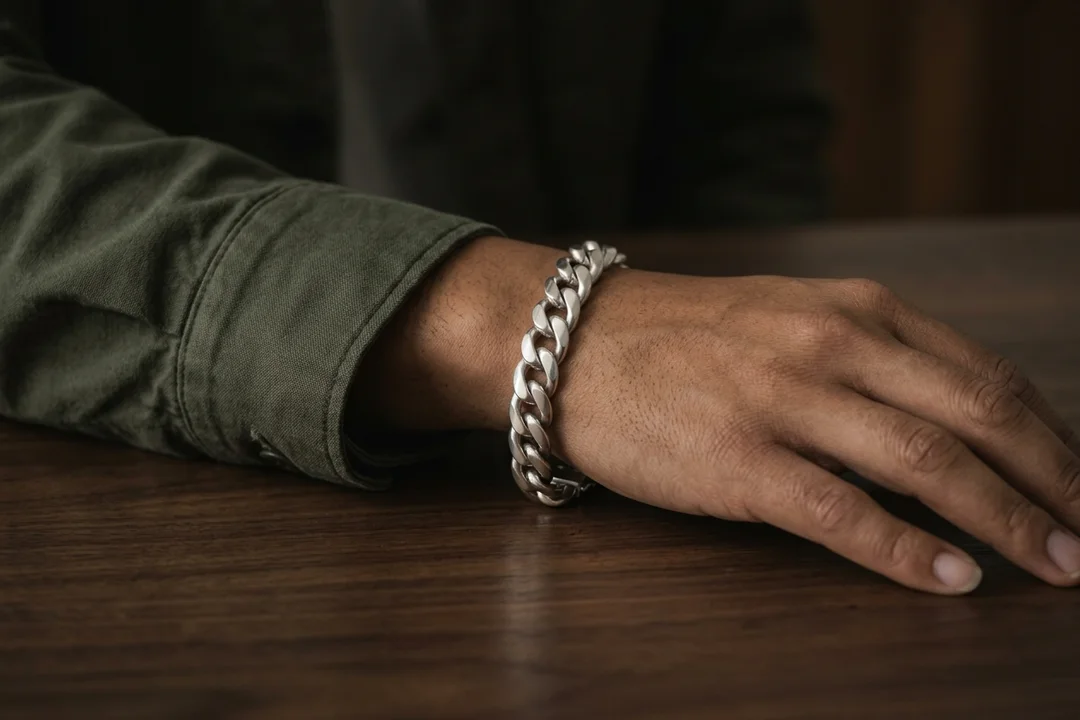
Heavy chain bracelets
Look for an end ring or housing that suits the chain’s weight. A large clasp can feel bulky.
Frequent removal
Adjustable slider or accessible fold-overA slider opens over the hand. A fold-over can sit flat, but check you can lift it repeatedly.
Replacing a damaged clasp
Bring the whole bracelet. A compatible part can preserve the fit. Built-in clasps may need a matched repair.

Try it with a sleeve
The clasp on a fine chain often rotates underneath the wrist. Lower your hand, bend your wrist and draw a cuff over the bracelet. That can reveal a sharp edge or a bulky closure you missed while standing still.
Quick comparison of bracelet clasps
Compare the motion each clasp asks your hand to make. The size of a trigger, tab, or receiving loop can change the experience.
| Clasp type and typical use | Ease of fastening | What to check | Main limitation |
|---|---|---|---|
| LobsterEveryday chains | Hold a lever while guiding the end ring. | Gate springs fully shut. | Tiny triggers can be fiddly. |
| Spring ringFine chains | Retract a small tab and catch a loop. | Tab returns on release. | Two small parts to line up. |
| BoxTennis and fine bracelets | Push the tongue in. Check any separate safety. | Tongue seats and latch holds. | The tongue can loosen with wear. |
| ToggleBold chains and beads | Guide the bar through a ring. | Bar clears the ring to fasten and sits crosswise in use. | A loose fit can let the bar reverse. |
| MagneticLight designs made for it | Bring the ends together. | Halves meet flush. Find any secondary lock. | A pull can separate a simple magnetic clasp. |
| Fold-overFlat bands and some link bracelets | Fold the cover until it snaps. | Cover lies flat and stays down. | Small lift tab may be hard to grasp. |
| Slide lockMultiple strands | Line up both halves, then slide. | Halves seat to the stop. | Alignment can take practice. |
| Adjustable sliderBolo bracelets | Slip over the hand, then move the bead. | Bead holds its position. | Trailing ends may catch on a sleeve. |
Clasps with a spring
Look for a lever, tab, or tongue on the opening side.
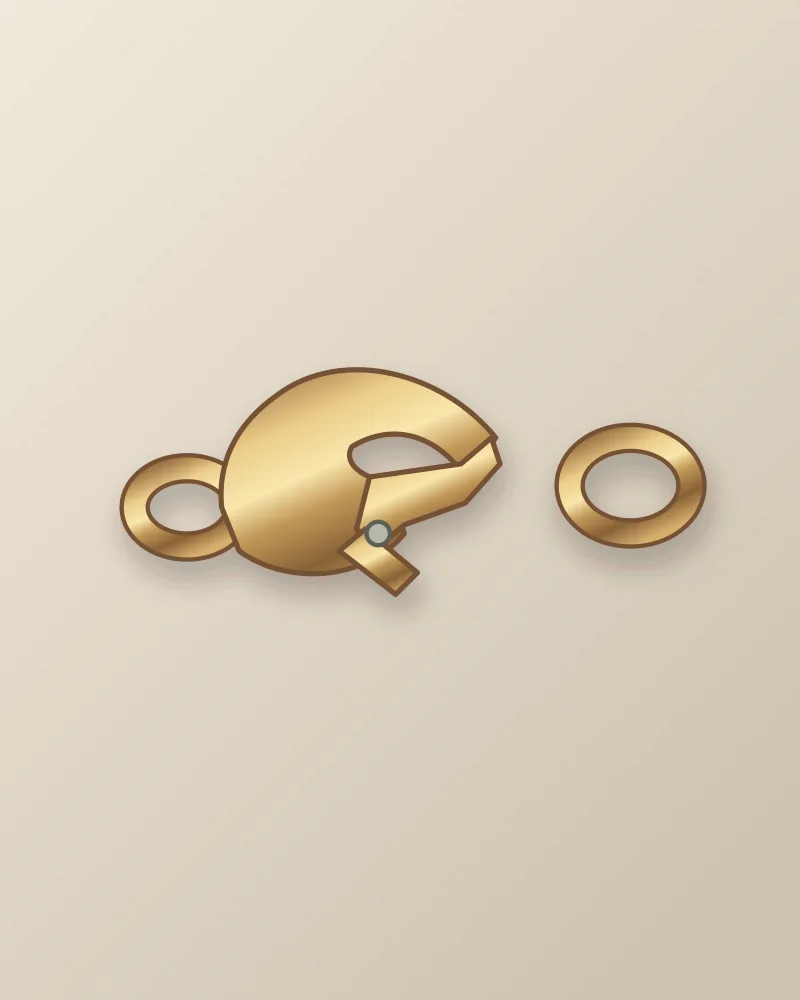
Lobster
Open a curved gate with a lever. The spring returns the gate when you let go.
- Typical use
- Everyday chains and charm bracelets
- Check
- Check that the lever is easy to reach and the gate closes completely around the end ring.
- Limitation
- A small lever or end ring is hard to manage.
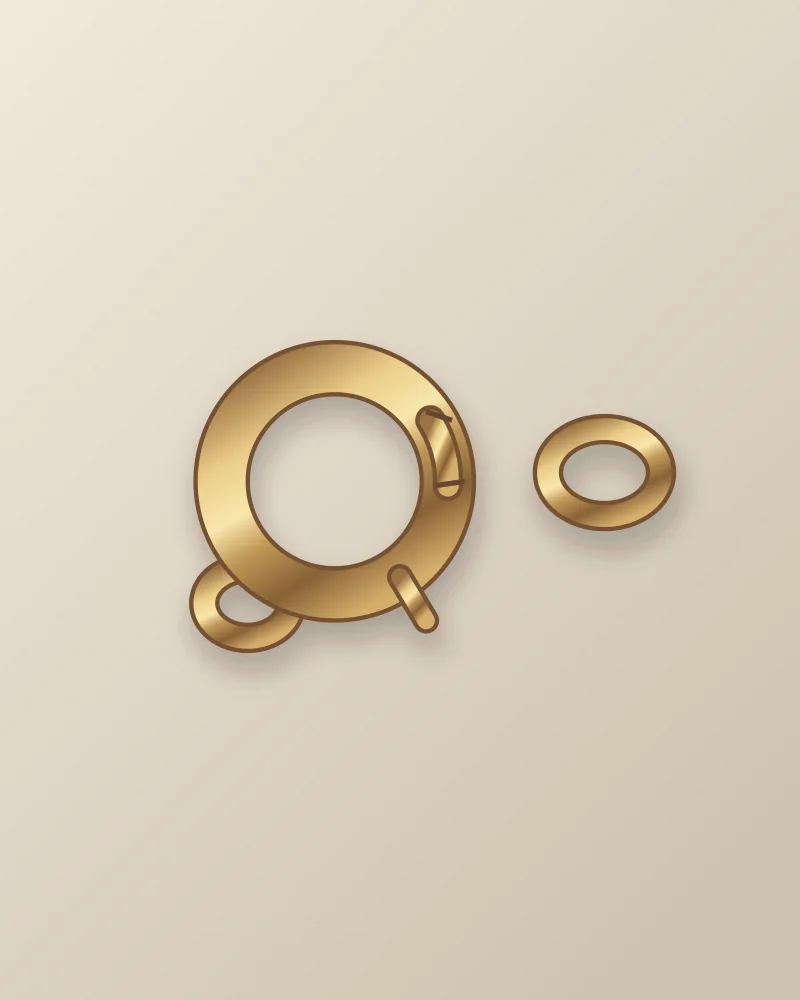
Spring ring
Pull back the small tab to retract a curved section of the ring. Release it to close the gap.
- Typical use
- Light, fine chains
- Check
- Make sure the ring returns to a continuous circle and the receiving loop is easy to find.
- Limitation
- The tab and loop can be very small.
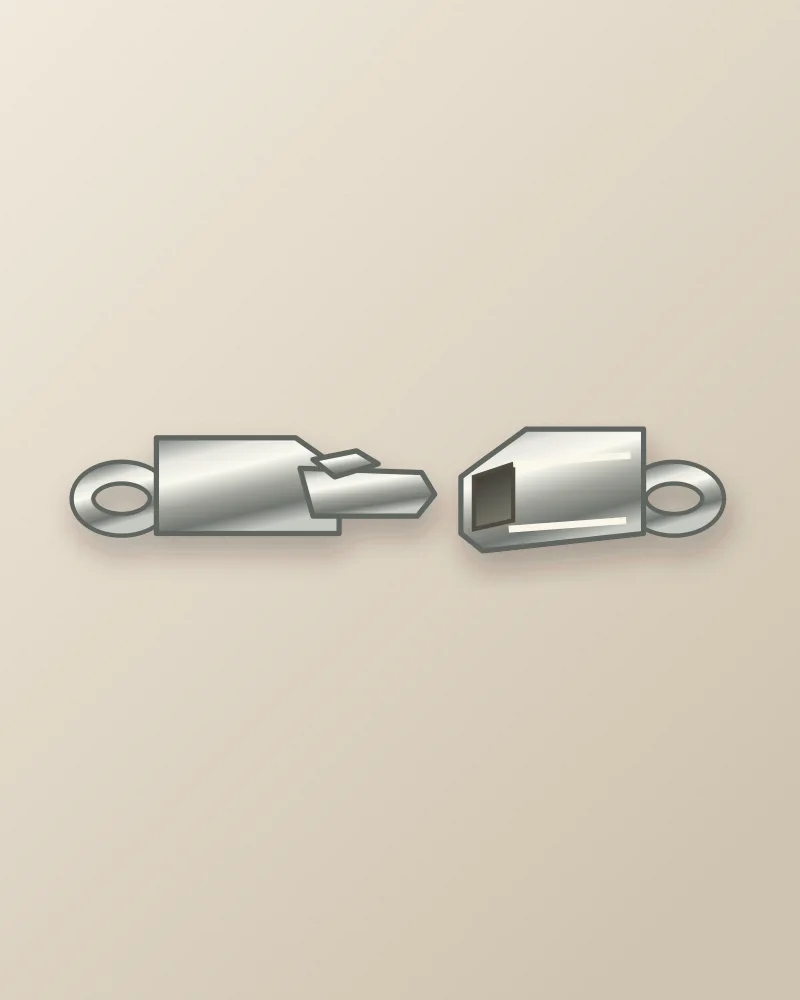
Box
A spring tongue slides into a housing and catches inside. Press the release to withdraw it.
- Typical use
- Tennis bracelets and other fine bracelets
- Check
- Watch the tongue seat fully. Operate the safety catch separately if the bracelet has one.
- Limitation
- The tongue needs to align with its housing and can loosen with wear.
Clasps with a bar, magnet, or hinge
Look for the matching ring, mating face, or keeper.
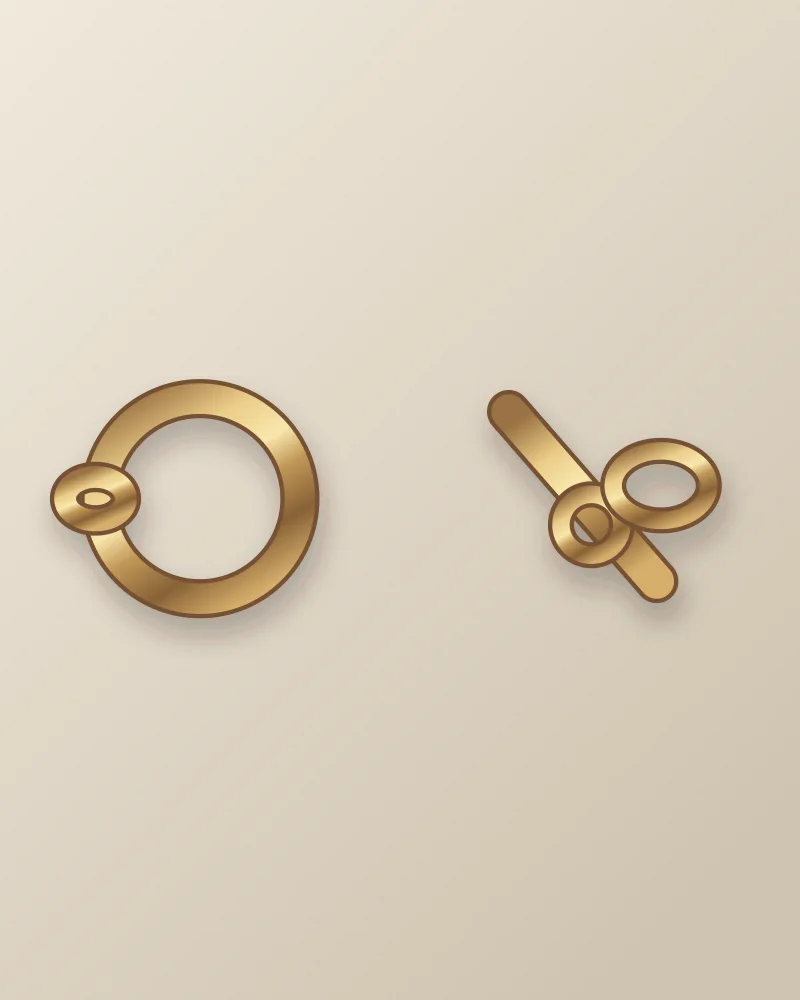
Toggle
Turn the bar lengthwise to pass it through the ring. The bar rests across the ring when the ends draw apart.
- Typical use
- Bold chains and beaded bracelets
- Check
- Try it on. You need enough room to pass the bar through and a fit that limits excess slack.
- Limitation
- A loose fit can let the bar slip back through.
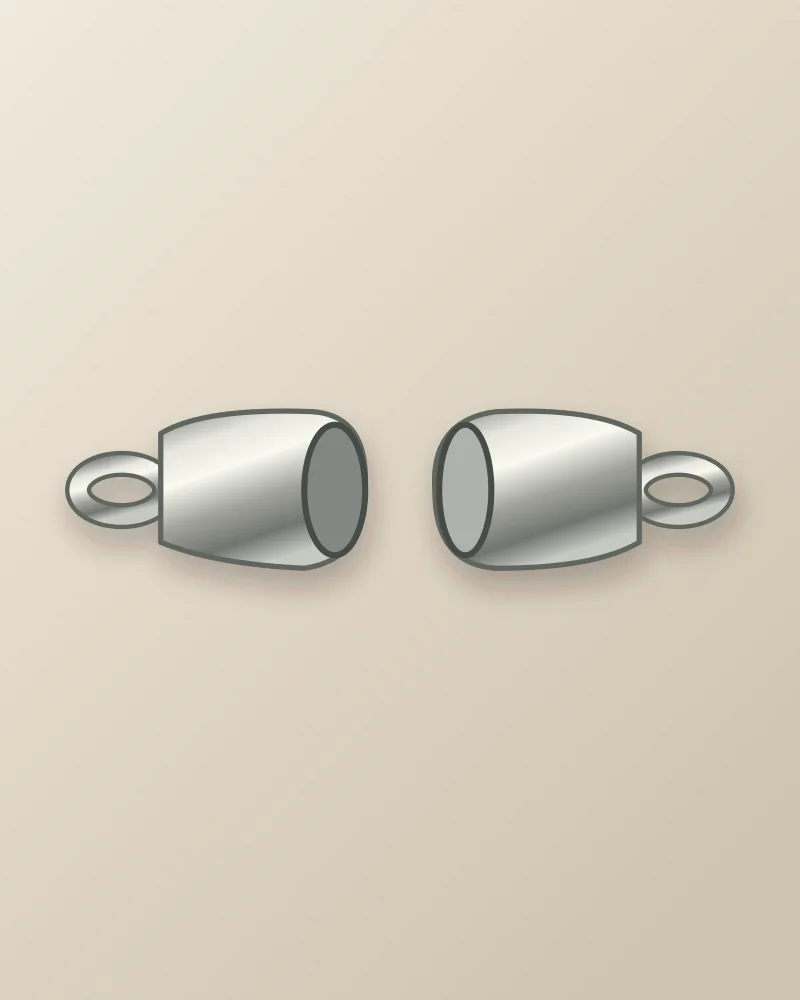
Magnetic
Bring the two halves close enough for the magnets to draw them together. Some styles add a mechanical catch.
- Typical use
- Light pieces designed for magnetic closure
- Check
- Ask how the specific clasp opens and whether there is a secondary lock.
- Limitation
- A simple magnet can separate when the bracelet catches or is pulled.
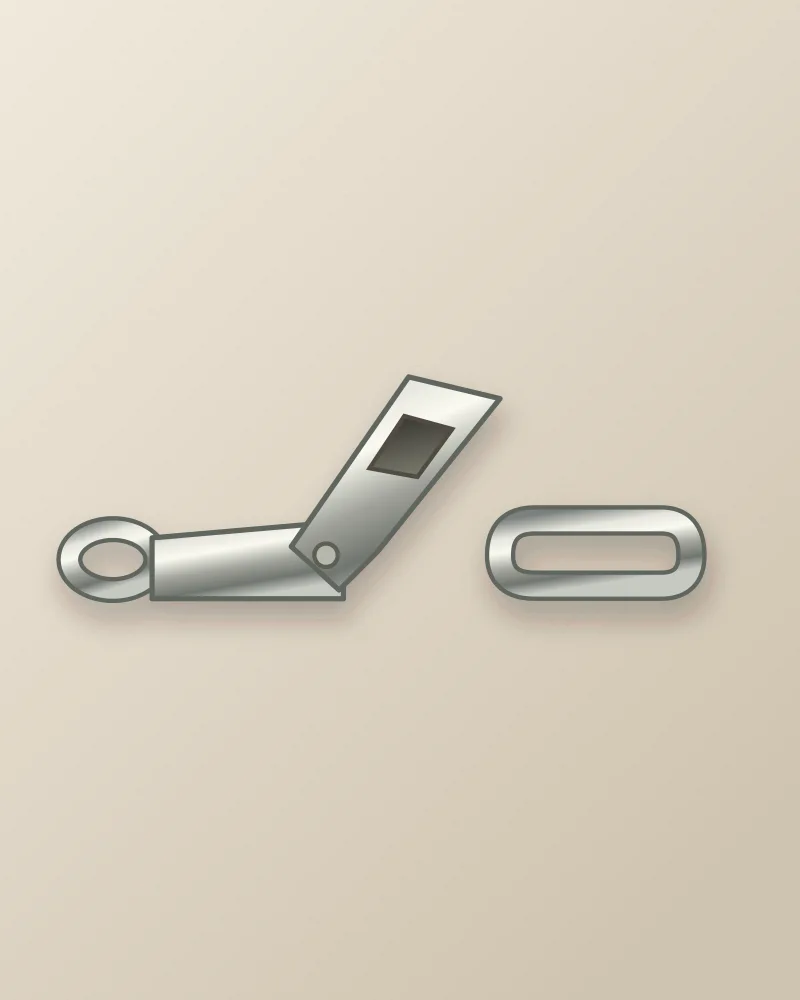
Fold-over
A hinged cover folds over a keeper and snaps shut.
- Typical use
- Flat bands and some link bracelets
- Check
- Feel it engage and check that it lies flat. A similar hinged piece on a box clasp may be its separate safety.
- Limitation
- A small lifting edge can be hard to grasp.
Slide, screw, hook, and adjustable clasps
Watch whether the ends slide together, turn, hook, or stay connected while the fit changes.
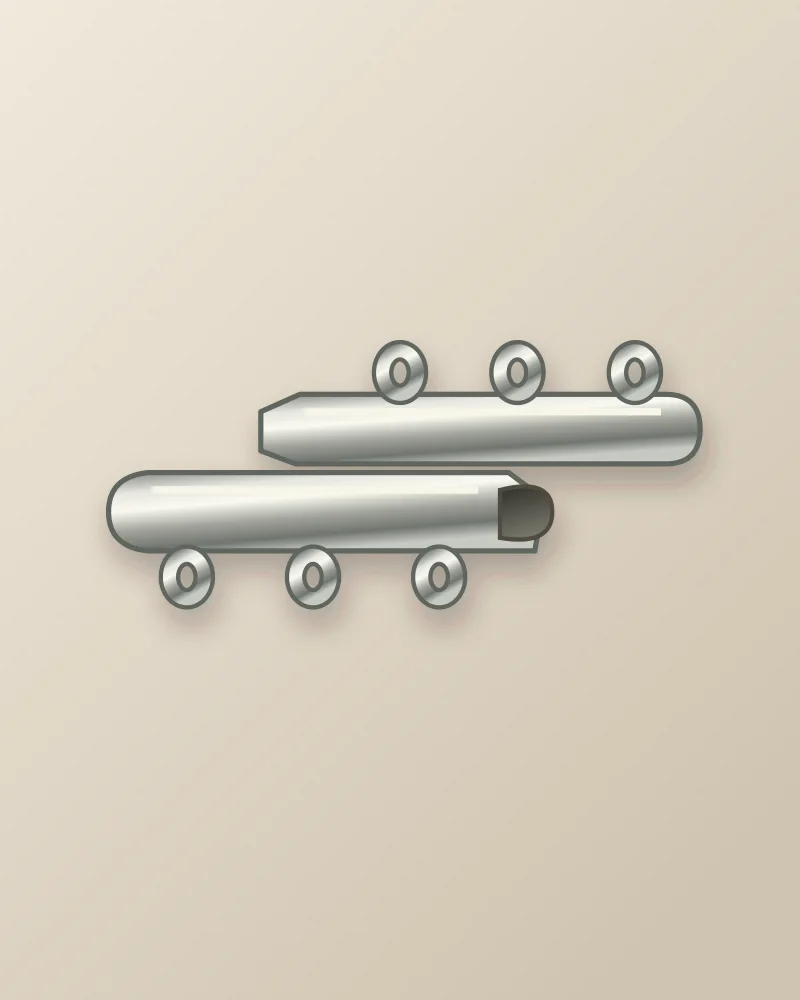
Slide lock
Align the two halves and slide one into the other along the length of the clasp until it seats.
- Typical use
- Multi-strand bracelets
- Check
- Make sure the halves sit flush at the stop and that the strands lie flat.
- Limitation
- The ends need to line up before they slide.
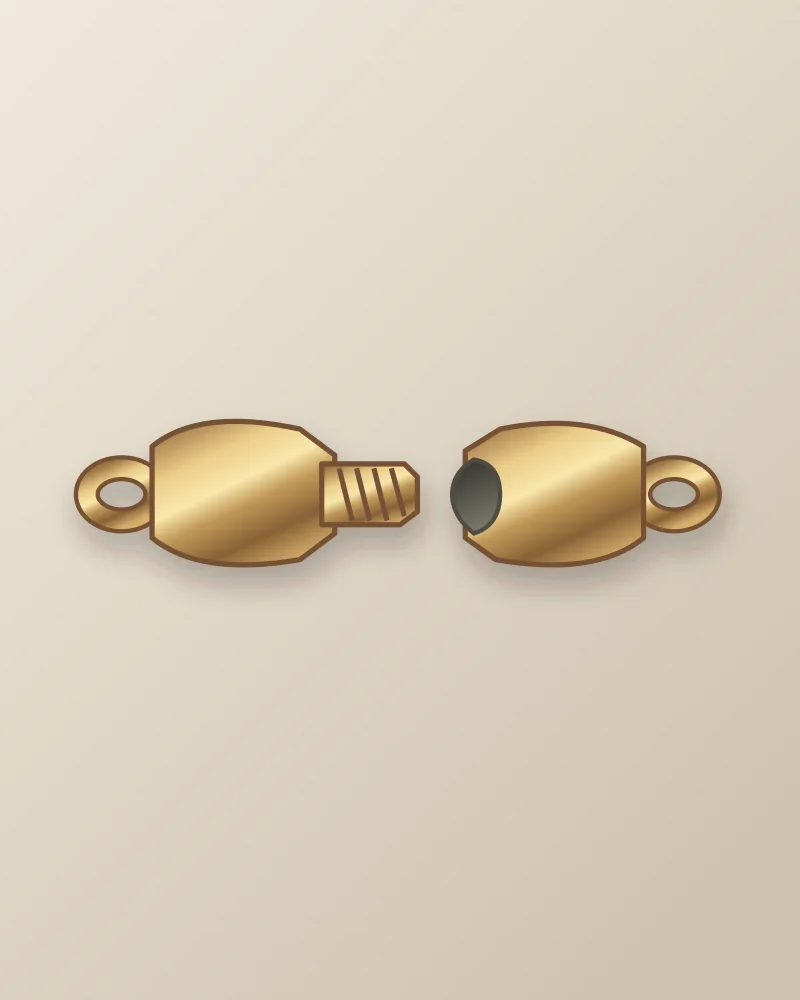
Screw barrel
Bring the threaded end to its matching socket and twist the two halves together.
- Typical use
- Some bead and cord bracelets
- Check
- Confirm it starts smoothly and closes fully. Other cylindrical clasps may have a different release.
- Limitation
- Aligning and turning both ends can be awkward at the wrist.
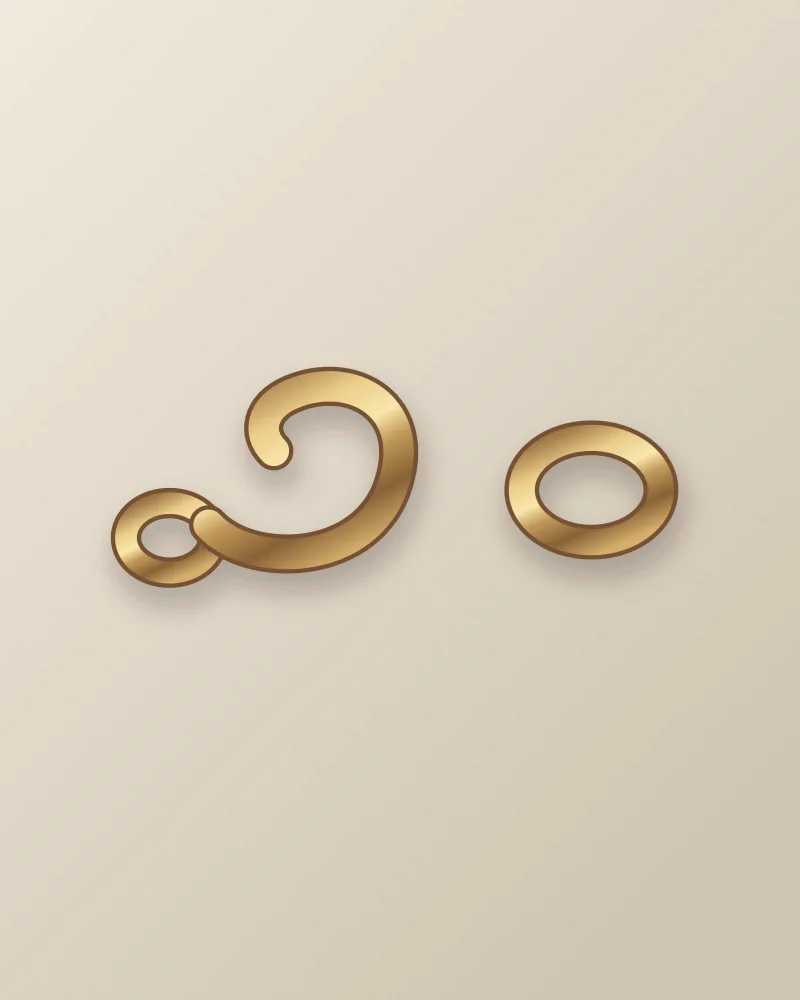
Hook and eye
Slip a curved hook through a matching loop. The fit and shape help keep it seated as you wear the bracelet.
- Typical use
- Some artisan chain, cord, or beaded bracelets
- Check
- Check the fit when your wrist moves and inspect the hook for a bent tip.
- Limitation
- An open hook can escape the loop when the bracelet goes slack.
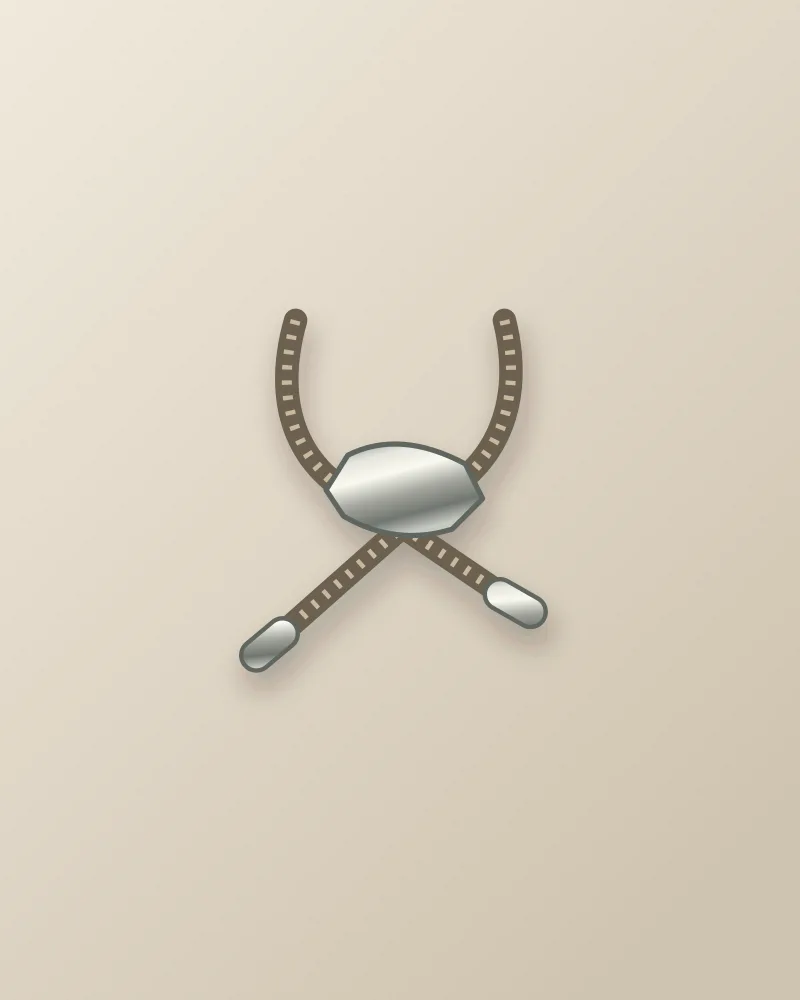
Adjustable slider
Slide a bead along the chain or cord tails to loosen or tighten the loop over your hand.
- Typical use
- Bolo-style chain or cord bracelets
- Check
- Confirm the loop clears your hand, the bead holds the fit, and the tail stops are present.
- Limitation
- The bead can lose grip, and long tails may catch on fabric.
How to choose a secure bracelet clasp
Inspect the two halves and the links that attach them to the bracelet. A spring gate should return fully, a tongue should seat properly, and a hinge should move smoothly without obvious looseness. A well-seated clasp still depends on the condition of the connecting rings.
For a tennis bracelet, ask the seller to demonstrate the main closure and any safety latch. In a box clasp, a spring tongue catches inside a housing. A separate safety catch can provide a second point of retention when engaged.
On a heavier chain, have the seller or jeweler check that the clasp and end fittings suit the weight and width. Test the clasp on the finished bracelet with gentle handling. A click, a large clasp, or a safety catch alone gives you limited information about how the piece will hold up.
Which clasps are easiest to fasten?
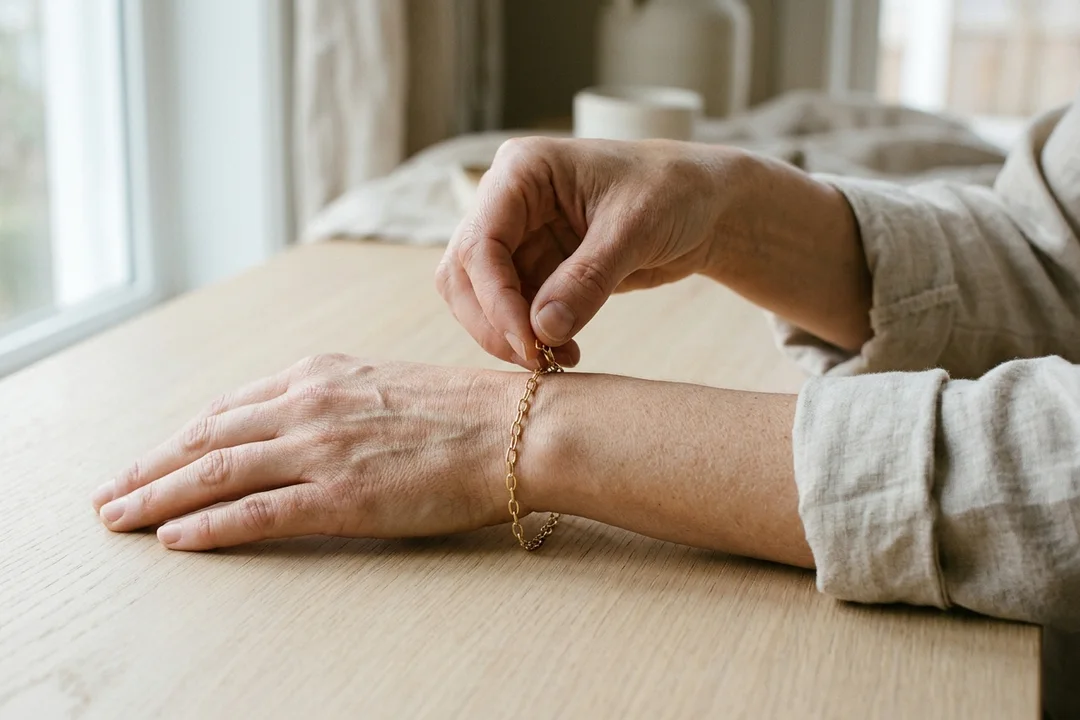
A simple magnetic clasp takes little alignment as its halves approach. A broad toggle bar can be easy to hold. If you prefer a mechanical gate, try a lobster clasp with a lever and end ring large enough for you to grip.
Check removal too. A stiff small release or an extra safety catch can make a bracelet harder to take off even if it closes easily.
Rest your wrist on a table and try fastening the bracelet with your free hand. Repeat with the bracelet on the wrist you usually wear it on. If you need to brace it each time, decide whether that fits your routine.
What to check when buying a bracelet
At a counter, open and close the clasp several times. Watch the gate, latch, or mating ends as you let go. With the seller’s permission, gently handle the closed bracelet over a tray to see whether it stays seated.
Online, ask for clear images of both ends and a short video of the actual model being opened and closed. Ask for the usable length when fastened, especially if the clasp or an extender adds length. Check the return policy if you can’t try it first.
Signs your clasp needs repair
Take the bracelet off if the closure opens during ordinary wear, a spring gate sticks or leaves a gap, a box clasp pulls apart with light handling, or a safety latch won’t stay closed. Look for a distorted keeper, a loose hinge, and a visible gap in a connecting ring.
Bring the bracelet and any loose parts to a jeweler. Ask whether the clasp, receiving ring, or both need attention, and whether a replacement will change the length. A built-in closure may need a compatible tongue or housing. Avoid forcing or bending a closure that no longer seats.
Before you buy
- Identify the main closure and any separate safety catch.
- Fasten and remove it yourself on the wrist you’ll wear it on.
- Confirm that the ends seat and the connecting rings look sound.
- Move your wrist and run your usual cuff over the bracelet.
- Ask whether the clasp can be serviced and how a change would affect the fit.
Bracelet clasp FAQ
Does a click mean a tennis bracelet is closed?
A click can indicate that the tongue has engaged. Check that the two halves are seated and close each secondary safety catch if there is one. If the clasp slips apart with light handling, stop wearing it until a jeweler checks it.
How can I tell a lobster clasp from a spring ring?
A lobster clasp has a shaped body and a lever that swings the gate inward. A spring ring is circular and its tab retracts part of the ring into the body.
Can I add an extender to a bracelet with a lobster clasp?
Often, if the clasp can fully close around an extender link and the extender’s own end fits the bracelet. Check where the added length puts the clasp. A longer bracelet may rotate more or slip down over the hand.
Is a box clasp the same as a fold-over clasp?
In a box clasp, a spring tongue goes into a housing. In a fold-over clasp, a hinged cover snaps over a keeper. A box clasp can also have a separate hinged safety catch, so look at what holds the two ends together first.
Can I replace a spring ring with a lobster clasp?
A jeweler can often make that change on a flexible chain. Ask whether the new clasp fits through the end ring, matches the weight and finish, and changes the bracelet’s finished length.
Why does my adjustable bracelet keep loosening?
The slider may have lost its grip, or its opening may be a poor match for the chain or cord. Check for a missing tail stop and have the bracelet inspected if it no longer holds the fit.
References
- Fire Mountain Gems and Beads. Clasp style guide and reference chart.
- Tiffany & Co. Basic jewelry care and clasp inspection.