
Rubies and emeralds are among the most sought-after colored gemstones in the world. Both have rich histories and are prized for their vivid hues.
But when it comes to price, the answer isn’t always clear. Factors like clarity, saturation, origin, and carat weight all influence cost. High-quality rubies from Myanmar, especially those with few inclusions, can command record prices.
Emeralds, on the other hand, are known for their internal fractures but remain valuable when the color is rich and deep. Understanding what drives pricing in these gems starts with a closer look at rarity, durability, and fine quality.
Which Is More Expensive: Ruby or Emerald?
Rubies often lead in price when compared to emeralds of the same size and grade. That’s largely because top-tier rubies—those with rich, intense red tones and minimal flaws—are harder to find.
While emeralds also hold strong value, especially when deeply colored, their inclusions tend to be more accepted but still affect price.
Key Reasons for the Difference
- Rarity: Fine rubies are rarer than emeralds, especially in larger sizes.
- Durability: Rubies are harder (Mohs 9), making them better for everyday wear.
- Inclusions: Emeralds often have more visible inclusions, which lowers their price.
- Color Demand: Vivid red rubies tend to command higher prices than green emeralds.
- Market Trends: Myanmar rubies are especially valued by collectors and jewelers.
Price Comparison Overview
Rubies are usually more expensive than emeralds. But not always. It depends on quality, size, and origin.
A fine ruby with top color and clarity can cost more per carat than most emeralds. Especially if it’s untreated. In auctions, top rubies often sell for more than diamonds of the same size.
Here’s a quick comparison table:
| Gemstone | Average Price per Carat (High Quality) | Key Origin |
|---|---|---|
| Ruby | $10,000 – $100,000+ | Myanmar (Burma) |
| Emerald | $5,000 – $80,000+ | Colombia, Zambia |
Why Are Rubies So Expensive?
Top-quality rubies are rare because they must hit a perfect balance—rich color without the internal cracks that chromium often causes.
While emeralds are nearly always treated, many rubies don’t need enhancement, which gives untreated stones a premium edge. That combination of natural beauty and durability pushes ruby prices higher.
What Makes Rubies Valuable?
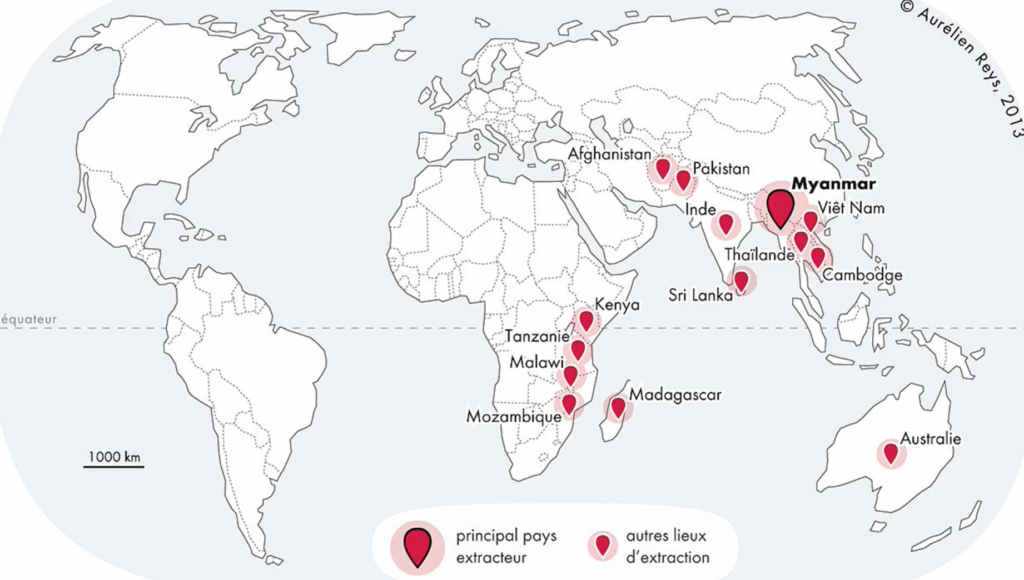
Rubies get their deep red hue from trace amounts of chromium in the crystal. That color—especially when it’s pure and vivid—is rare. Rubies are a type of corundum, just like sapphires. But red corundum is far harder to find.
The best rubies, often called “pigeon blood,” have almost no visible inclusions and are naturally untreated.
On the Mohs hardness scale, rubies score a 9—second only to diamonds. That makes ruby jewelry ideal for everyday wear, even in an engagement ring. Their long history and role as a july birthstone also boost demand.
How Much Do Rubies Cost Per Carat?

At the high end, ruby prices can eclipse both sapphires and emeralds. Stones with vivid color and natural clarity—especially if untreated—may reach six figures per carat.
On the flip side, treated or commercial-grade rubies drop in price significantly, reflecting the broad range within this single gemstone category.
| Ruby Type | Price per Carat (USD) |
|---|---|
| Treated, Commercial Grade | $100 – $1,000 |
| Good Color, Visible Inclusions | $1,000 – $8,000 |
| Fine Color, Minimal Inclusions | $10,000 – $50,000 |
| “Pigeon Blood,” Untreated | $50,000 – $100,000+ |
Most Expensive Ruby Ever Sold
The most expensive ruby ever sold was The Sunrise Ruby. It weighed 25.59 carats and sold for over $30 million at auction. That’s more than $1.1 million per carat.
It was a natural, untreated Burmese ruby with exceptional color and clarity—making it rarer than diamonds. This sale redefined ruby vs. emerald value on the global market.
Why Are Emeralds So Expensive?
The value of emeralds climbs steeply when you find one with both a bold green hue and surprising clarity.
These aren’t common—most emeralds come with visible inclusions. But when you come across a Colombian emerald with great transparency and minimal treatment, it easily becomes a standout in the gem market.
What Makes Emeralds Valuable?
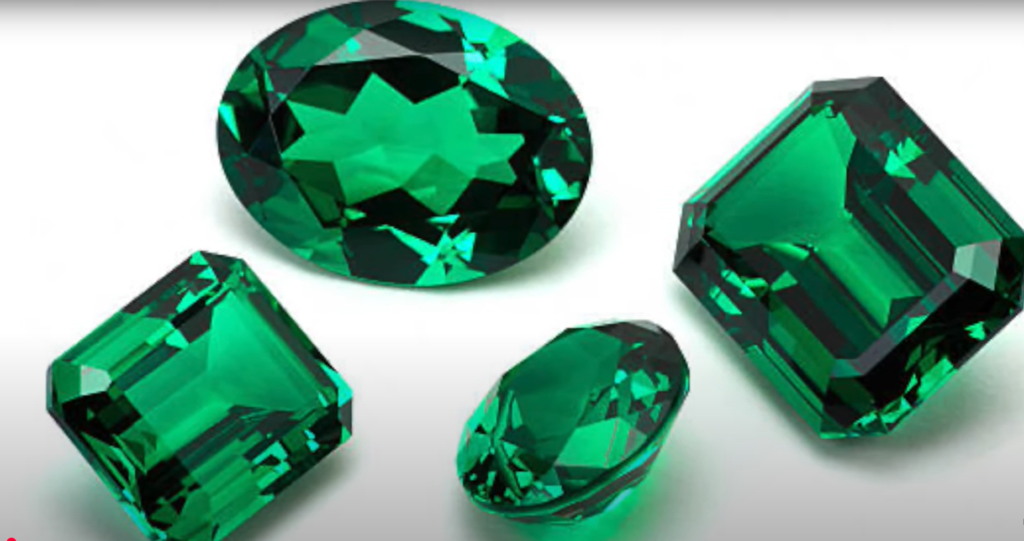
Emeralds get their rich green color from trace elements like chromium and vanadium. This color is their most important feature. High-quality emeralds with vivid color and minimal flaws are rare.
Unlike rubies, most emeralds have inclusions that are visible to the naked eye. These are called “jardin” (garden) and are accepted as part of the gem’s nature.
Emeralds are often cut in a rectangular step style—known as the emerald cut—to protect the stone and minimize stress.
Their long history, symbolic meaning, and beauty keep the demand strong in emerald jewelry and collectibles.
How Much Do Emeralds Cost Per Carat?
The price of emeralds varies based on origin, clarity, and color. Colombian emeralds usually command the highest value and price due to their rich saturation.
Stones with fewer visible inclusions and more vivid green tones are considered emeralds.
| Emerald Type | Price per Carat (USD) |
|---|---|
| Commercial, Treated | $200 – $2,000 |
| Good Color, Some Inclusions | $2,000 – $10,000 |
| Fine Color, Few Inclusions | $10,000 – $40,000+ |
| Colombian, Top Quality | $50,000+ |
Most Expensive Emerald Ever Sold
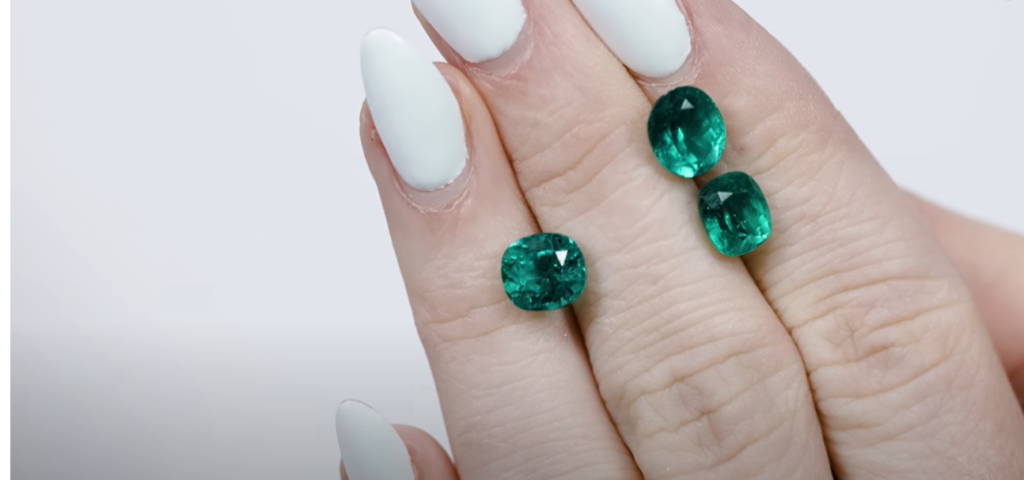
The Rockefeller Emerald holds the record. It’s an 18.04-carat Colombian stone sold for $5.5 million in 2017.
That’s over $300,000 per carat. Its unmatched color and clarity made it a standout. Few emeralds found today reach that level. This sale set a benchmark for emeralds vs. other colored gemstones in auctions.
Are Rubies or Emeralds a Better Investment?
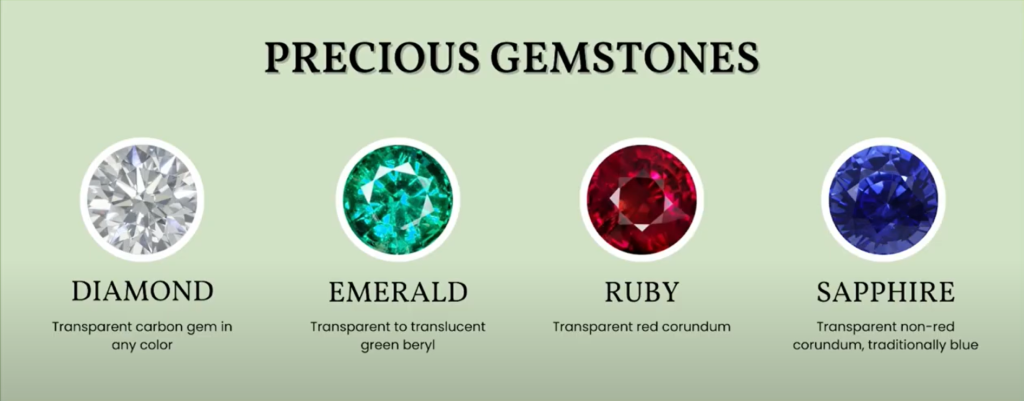
When it comes to investing in colored gemstones, both emeralds and rubies have strong potential—but for different reasons. A quality ruby is generally more stable in value due to its rarity, durability, and market demand.
Top-grade rubies with rich color and minimal treatment are limited in supply, especially those from historical sources like Burma. Their hardness also makes them better suited for long-term wear and storage.
Emeralds, on the other hand, come with more variability. Stones from emerald mines in Colombia and Zambia dominate the high end, while Brazilian emeralds offer a range of quality and color.
Because emeralds often contain inclusions and typically undergo clarity treatments, their investment potential depends heavily on origin, treatment status, and color intensity. While some untreated emeralds fetch premium prices, they’re less common in the market.
In summary, rubies tend to offer greater consistency for investors, but rare, untreated emeralds—especially from top mines—can still be excellent long-term assets.


Leave a Reply