Author: Sergey Suhorukov

-
Infinity Bracelet Meaning: Symbolism, Love, and Purpose
The infinity bracelet is more than a stylish accessory. Its design—consisting of a looped or twisted rope with no beginning or end—represents eternity and timelessness. Throughout history, the infinity symbol has been used to express love, loyalty, and boundless connection. Whether it’s a diamond infinity bracelet or a simple gold one, the meaning behind an…
-
What Are Tennis Bracelets? A Complete Beginner’s Guide
The term “tennis bracelet” wasn’t always part of jewelry vocabulary. That changed in 1987, when tennis player Chris Evert lost her diamond bracelet during a US Open match. The game was paused, and the term stuck. A tennis bracelet typically features a symmetrical line of diamonds or gemstones set in gold or platinum. It’s known for…
-
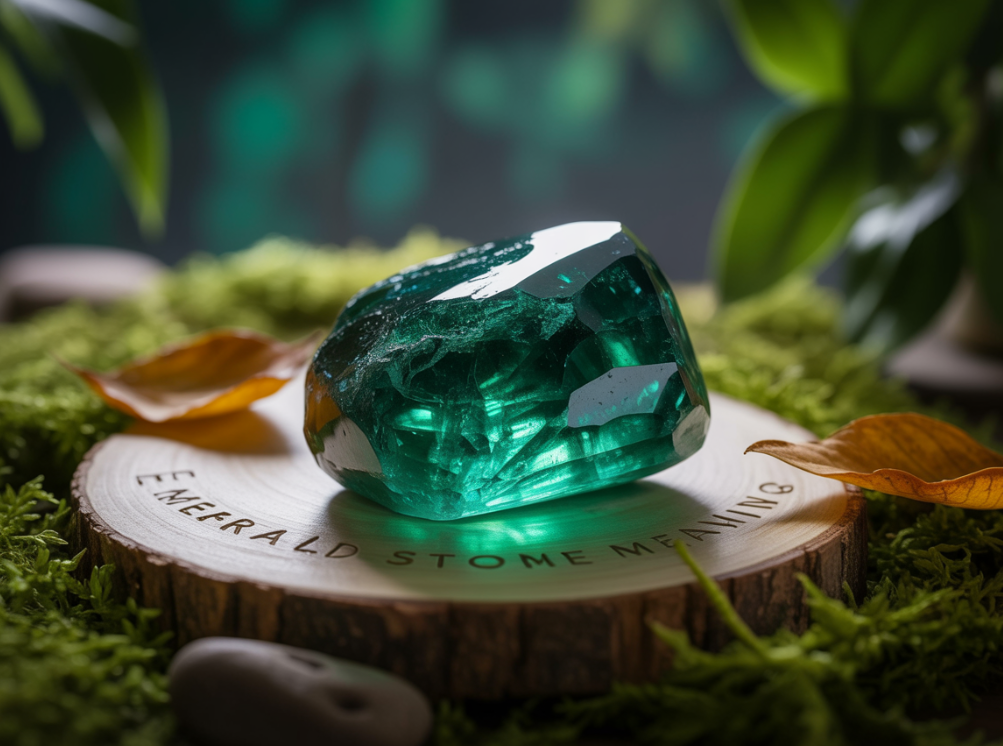
Emerald Stone Meaning: Symbolism, Energy, and Healing Use
Emeralds have carried deep meaning since ancient times. The Egyptians prized them as symbols of fertility and rebirth. Cleopatra was known for her obsession with this vivid green gem. Today, emerald meaning is often tied to balance and harmony. Its rich hue connects to the heart chakra, believed to soothe the wearer and promote emotional…
-
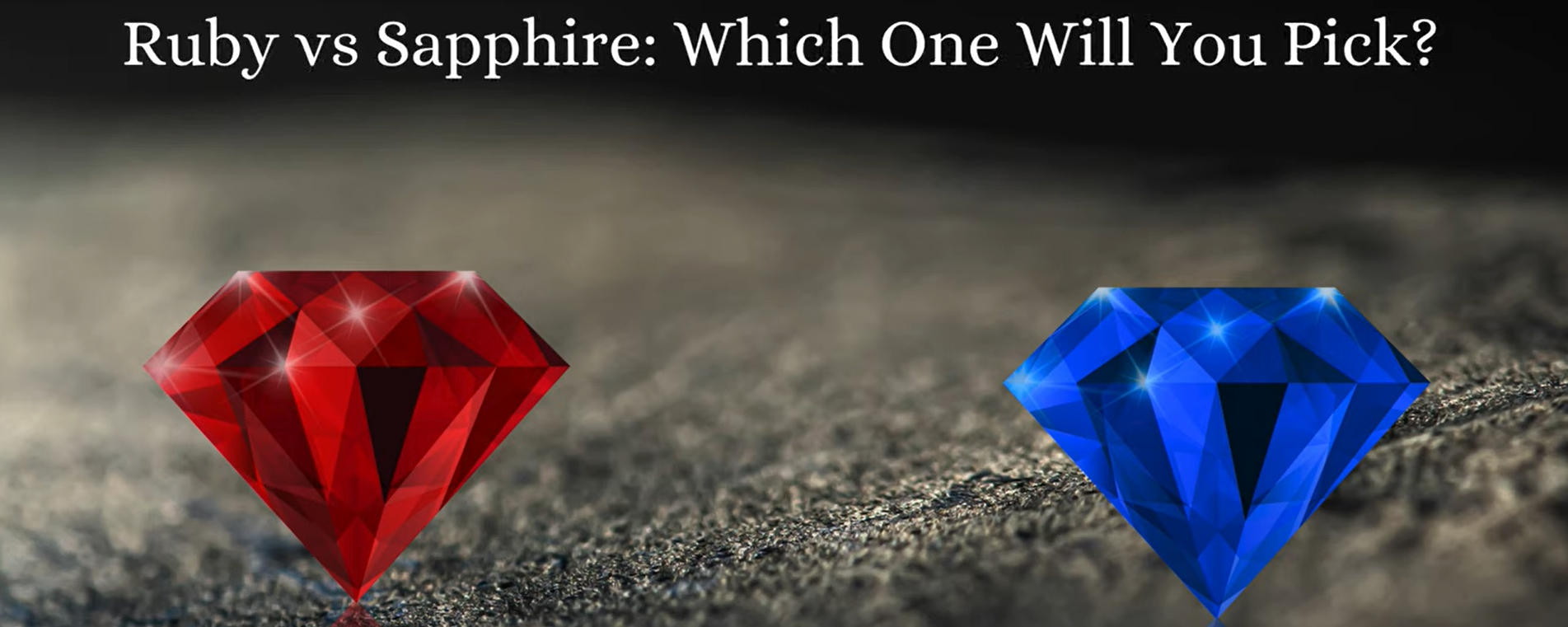
Ruby vs Sapphire: Key Differences in Value and Hardness
When deciding between ruby and sapphire, it’s all about what matters most to the wearer—color, rarity, or personal symbolism. Rubies are prized for their vibrant red with a slight pink hue and are generally less common in fine quality. Sapphires, though more abundant, come in a rainbow of colors, from classic blue to orange and…
-

How to Tell the Difference Between Ruby and Red Sapphire
Ruby and sapphire come from the same mineral—corundum. What separates them is color, and that’s where the confusion begins. A red ruby and a red sapphire may look similar, but gemologists draw a hard line. If you’ve ever wondered how to tell the difference, this guide breaks it down using GIA standards, market pricing, and…
-

Which Gemstone Is More Expensive: Ruby or Emerald?
Rubies and emeralds are among the most sought-after colored gemstones in the world. Both have rich histories and are prized for their vivid hues. But when it comes to price, the answer isn’t always clear. Factors like clarity, saturation, origin, and carat weight all influence cost. High-quality rubies from Myanmar, especially those with few inclusions,…
-

Ruby Rarity Explained: Scarcity, Value, and Facts
When evaluating any type of gem, rarity plays a direct role in determining the value of the stone. In the case of rubies, this rarity is not just marketing—it’s geological. Gem-quality rubies with vivid color, minimal inclusions, and over one carat in size are exceptionally scarce. Compared to diamonds, even those that show color, rubies are…
-
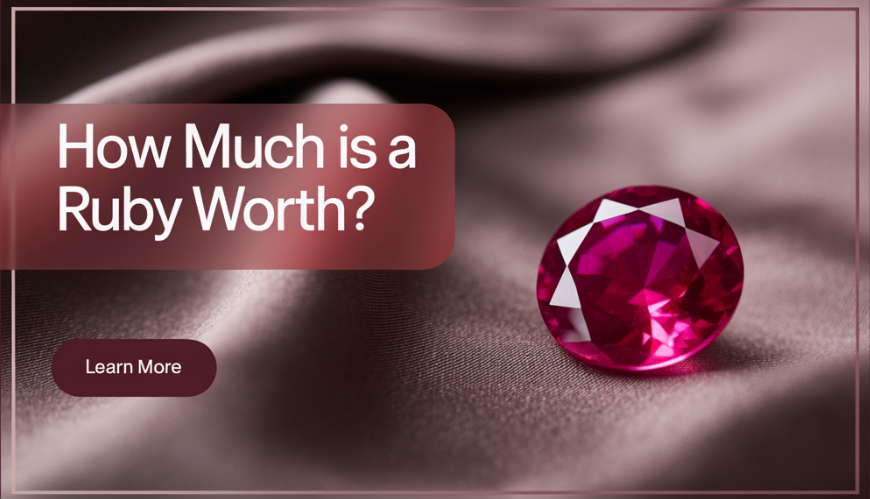
Ruby Pricing Guide: How Much Is a Ruby Worth Today?
The value of a ruby depends on more than just size. Color saturation, treatments, and origin all play a role. Mozambique rubies, for example, often differ in price from rubies from Burma. Synthetic rubies may look stunning but are far less valuable. In this ruby pricing guide, we’ll explain what makes one ruby worth a…
-

Raw Ruby Guide: How to Identify, Polish, and Value Uncut Stones
A raw ruby is a ruby in its most natural state—uncut, unpolished, and straight from the earth. Found in countries like Myanmar, Sri Lanka, and across Africa, these rough stones often carry clues about their origin and overall quality. Natural ruby rough often contains inclusions, growth lines, and signs of fracture. These features help gemological…
-

How Is Ruby Formed? A Look at the Gem’s Geological Journey
Think all red gemstones are rubies? Not quite. Real rubies are rare, expensive, and take millions of years to form under extreme heat and pressure. They’re a variety of the mineral corundum, just like sapphires—but with one key difference: chromium. That trace element gives rubies their vivid red hue. In this guide, I’ll walk you…