
Ruby and sapphire come from the same mineral—corundum. What separates them is color, and that’s where the confusion begins. A red ruby and a red sapphire may look similar, but gemologists draw a hard line.
If you’ve ever wondered how to tell the difference, this guide breaks it down using GIA standards, market pricing, and optical tests. You’ll also learn why some stones are heat treated and how color and clarity impact value.
Key Differences Between Ruby and Red Sapphire

Understanding how to tell a ruby from a red sapphire comes down to a few key traits. Both gems belong to the mineral corundum, but what sets them apart isn’t just marketing—it’s science. Let’s break it down into two simple categories.
Color Intensity and Hue
The most important difference is the color. A ruby must show a saturated red or deep red color. If the gem is too pink, it’s often called a pink sapphire, not a ruby. This can vary by region, but major gem labs like GIA use strict color guidelines.
Here’s the rule:
If a red corundum isn’t pure or rich enough in red tone, it won’t be considered a ruby.
The red in rubies comes from trace amounts of chromium. Sapphires also contain chromium, but in lower concentrations or mixed with other elements.
That creates hues like pinkish red, orange-red, or even purple tones. These variations shift a gem from ruby status to color sapphire.
| Attribute | Ruby Gemstone | Red Sapphire (Color Sapphire) |
|---|---|---|
| Primary Color | Pure to deep red | Pinkish red, orange-red, or violet |
| Cause of Color | Higher chromium content | Lower chromium, mixed trace elements |
| GIA Classification | Considered a ruby | Considered a sapphire |
Hardness and Optical Qualities
Both stones score a 9 on the Mohs scale, meaning they’re tough enough for daily wear. That’s because ruby and sapphire are essentially the same stone—just different colors of corundum.
But the optical behavior can vary. A ruby gemstone often has strong fluorescence due to chromium. This can make the stone glow under UV light.
Red sapphires may lack that glow or show different reactions depending on other elements.
You’ll also see differences when the stones are cut and polished. Rubies tend to show more silk-like inclusions and a warmer tone.
Red sapphires may be clearer, especially if treated in some way, like heating or diffusion.
Even synthetic rubies show these traits if made well. That’s why it’s always best to have a gemologist test the stone—especially if the value matters
What Is a Red Sapphire Stone?

A red sapphire is a variety of corundum that shows a red hue but lacks the saturation required to be classified as a ruby. It may contain pink or orange overtones. Despite its appearance, it is still considered a sapphire under gemological standards, not a ruby.
Origin and Formation
Red sapphires form under intense heat and pressure, deep within the Earth’s crust. Like all sapphire gemstones, they begin as aluminum oxide.
The color comes from trace elements—mainly chromium, iron, titanium, and beryllium. These impurities enter the crystal during formation and affect the final shade of red.
Color Range and Causes
A red sapphire can display hues ranging from pinkish red to orange-red, or even reddish with brown overtones. The color of sapphires depends heavily on the amounts of other elements in the crystal.
The more chromium, the deeper the red. Less chromium, mixed with iron or beryllium, can produce a color change sapphire, or stones that shift between red, pink, or even blue color under different lighting.
Here’s how the color range breaks down:
| Hue Range | Classification |
|---|---|
| Pure red | Ruby |
| Pinkish red / even pink | Pink Sapphire |
| Orange-red / reddish | Red Sapphire (borderline) |
| Blue to red shift | Color Change Sapphire |
Price Comparison: Red Sapphire vs Ruby
The price difference between a ruby stone and a red sapphire comes down to rarity, color purity, and perception in the world of gemstones. Although both are types of corundum, the value they hold on the market is far from equal.
A gem must show a pure red to be called ruby—and that classification drives prices up. In contrast, a red sapphire, especially one with pink or orange undertones, is often less expensive, even when cut from the same base material.
The difference is mostly about how the color is perceived and how strict the standards are.
Investment Value
Rubies—especially those with deep, vivid ruby color and high clarity—are among the most valuable gemstones in the market.
Top-tier rubies can exceed the price per carat of emeralds and even blue sapphires, especially when untreated. The scarcity of natural ruby with no enhancements makes them highly sought after by collectors.
Red sapphires, on the other hand, don’t hold the same investment potential. They’re not typically listed among precious stones with long-term value.
Even though they may look similar, their classification as “color sapphires” places them in a different pricing tier.
For investment, only rubies—particularly those verified by labs—are recognized for their long-term appreciation.
Affordability for Custom Jewelry
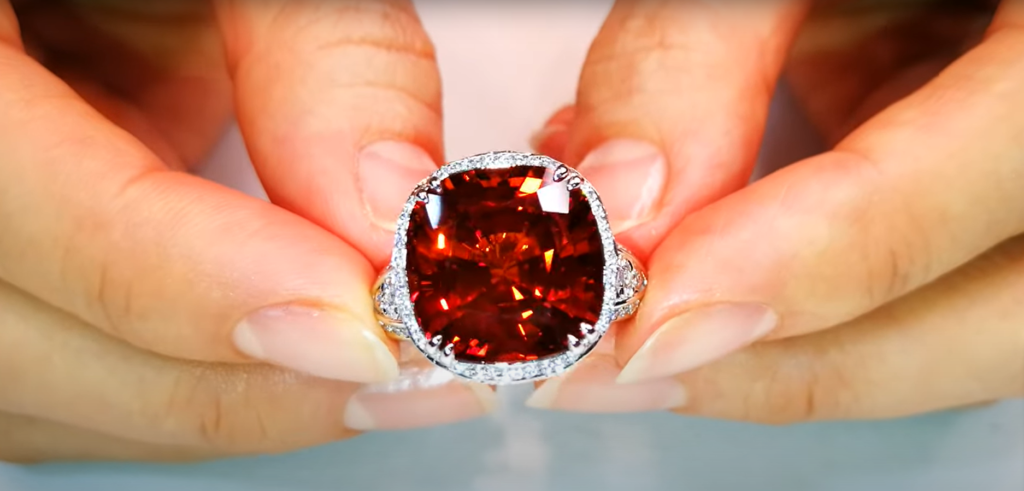
For custom designs, a red sapphire offers serious value. If the goal is appearance over label, many red sapphires rival rubies in beauty but come at a fraction of the cost.
They’re often chosen in sapphire jewelry where ruby or a pink sapphire look is desired, but budget matters.
Since sapphires are treated more often and come in a wide range of colors—including pink, orange sapphire, and red than orange tones—designers can work with a broad palette without sacrificing durability.
Whether set in white gold or platinum, these red stones deliver impact without the ruby price tag.
So while ruby today may be known as the precious option, red sapphires remain a smart choice for stunning custom pieces that stay affordable.
Which Gemstone Is Rarer: Ruby or Red Sapphire?
Rubies are significantly rarer than red sapphires. While both belong to the corundum family, only stones that meet strict color criteria—specifically a vivid, saturated red—are classified as rubies.
That intensity of red, free from noticeable pink or orange undertones, is seldom found in natural, untreated stones. As a result, high-quality rubies are scarce and often command a premium.
Red sapphires appear more frequently in nature because the color requirements are broader.
Stones with reddish hues that fall short of ruby classification—due to lighter tones or secondary shades—are grouped as red or pink sapphires. Though still desirable, they don’t meet the narrow definition reserved for ruby-grade material.

Leave a Reply