Gold Hallmarks
Find the mark and read every character
Read the letters after the number as carefully as the number itself. On U.S. jewelry, 14K usually declares the grade of the gold alloy in the part being described. 14K GP describes a gold coating. A mark helps you read the seller’s claim and decide what to verify.

How to read a gold hallmark or stamp
People often call any jewelry stamp a hallmark. A government-recognized assay hallmark, a quality mark, and a maker’s mark do different jobs.
Identify the part
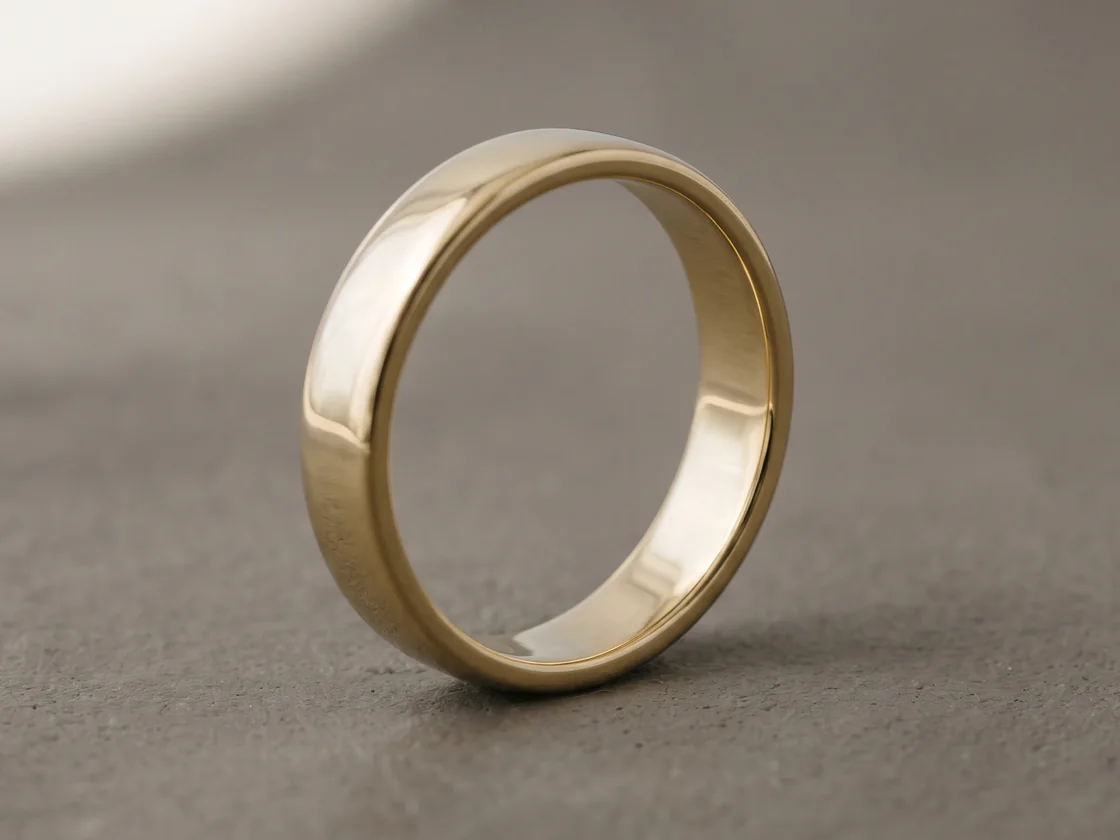
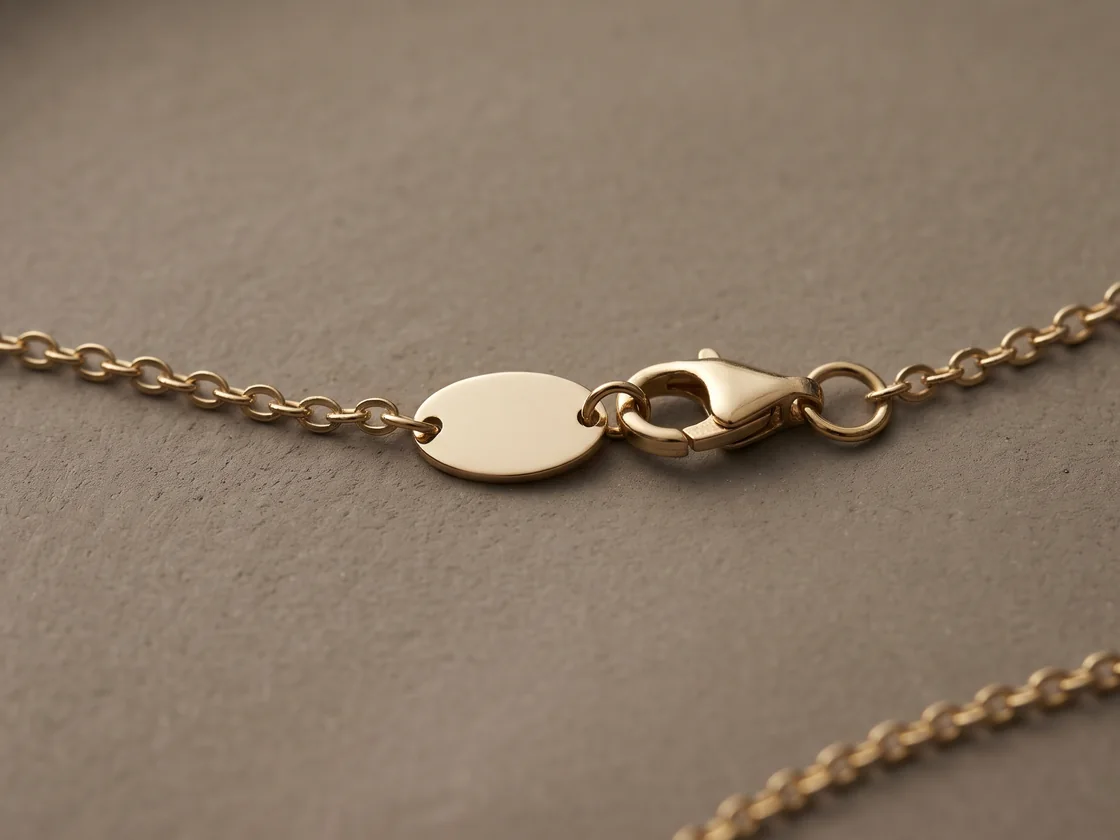
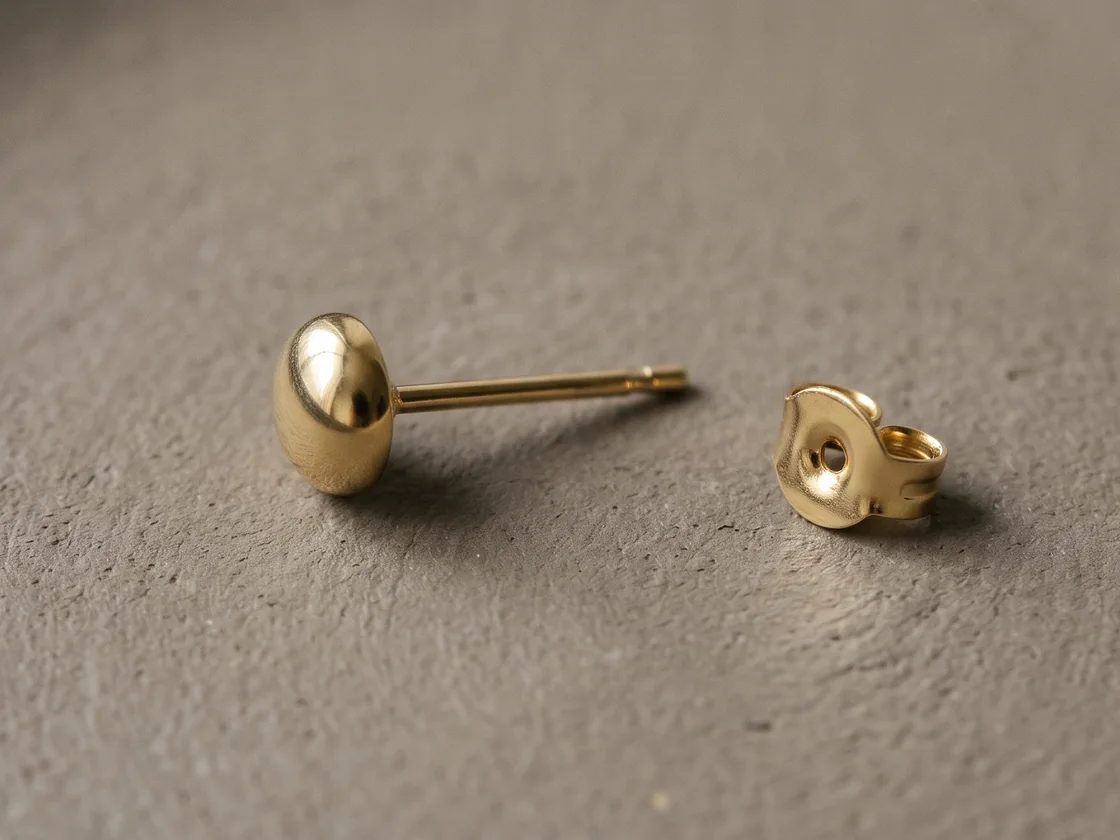
Record whether the mark is on a ring band, chain tag, hinged clasp, or removable earring back.
Copy the full line
Keep fractions, letters, and adjoining symbols together. A suffix can change what the karat describes.
Identify the marking system
Look for a maker’s identifier or a complete assay mark before inferring where or when it was marked.
Gold purity stamp chart
See the gold karat chart for the full purity scale, 10K vs. 14K gold for the 417 and 585 marks, and gold vermeil vs. gold plated for what a silver base can mean.
K, KT, and sometimes ct indicate karat when they describe gold. In a gold fineness mark, three digits give gold parts per thousand. Read the surrounding letters and symbols first, especially on an unknown piece.
| Marks you may see | Associated grade | What the digits declare |
|---|---|---|
| 9ct · 375 | 9K | 37.5% gold when 375 is the gold fineness mark. |
| 10K · 417 | 10K | 41.7% gold. |
| 14K · 14KT · 585 | 14K | 585 means 58.5% gold. The nominal karat fraction is 14/24, about 58.33%. |
| 18K · 750 | 18K | 75.0% gold. |
| 22K · 916 | 22K | 916 means 91.6% gold, close to the nominal 22/24 fraction. |
| 24K · 999 | Fine gold | 999 means 99.9% gold. |
What GF, GP, GEP, HGE, and RGP mean
For a closer look at how these layers are made, compare gold filled and gold plated jewelry.
A karat number can describe the metal through a part or the gold alloy on its surface. Look at what comes after it.
- 14K
- Declares the karat of the alloy in the marked piece or part.
- 14K GP
- The 14K qualifies the gold plating.
- 1/20 14K GF
- The bonded layer is 14K gold alloy. The fraction describes that alloy’s share of the metal weight, rather than the share of pure gold.
| Suffix | What it describes | Example and reading |
|---|---|---|
| GF | Gold filled, a mechanically bonded gold-alloy layer. | 1/20 14K GF. The 14K grade refers to the bonded alloy. |
| GP | Gold plate or gold plated. | 18K GP. The number describes the gold layer. The abbreviation alone does not specify the method. |
| GEP · GE | Gold electroplate, applied by an electrolytic process. | 12K GEP. The grade refers to the deposited layer. |
| HGE | Heavy gold electroplate. | 18K HGE. The FTC example uses a minimum comparable to 2.5 micrometers of fine gold throughout, with the required fineness and coverage. |
| RGP | Rolled gold plate, a mechanically applied gold layer. | 1/40 12K RGP. The fraction describes the layer’s share of metal weight and 12K describes the layer’s alloy. |
The FTC’s gold-marking examples distinguish gold filled from rolled gold plate by the weight of the bonded gold alloy, among other conditions. The Gold Filled example calls for that alloy to make up at least 1/20 of the item’s metal weight. The heavy-electroplate figure expresses a fine-gold equivalent. It is not a measurement of the piece you are holding.
Where to look for gold marks
Use angled light and turn the piece slowly. These close-ups show common starting points.
Check removable parts separately
On a pendant, look on the rear and inside the bail, the loop that carries the chain. Record a mark on the chain tag separately from a mark on the pendant. The two pieces may have been bought at different times.
Take two photographs
Take a close-up of the characters and a wider shot that shows exactly which component bears them. If a letter is faint, move the light to one side and try a second angle before guessing.
U.S., UK, and Indian marks
The same fineness number can appear in different markets. To identify the system, look at the marks around the number.
United States
Karat and a responsible party
Under the FTC’s marking guidance, when a manufacturer or dealer covered by the National Stamping Act applies a qualifying gold quality mark, a name or registered trademark is also required under the applicable conditions. A 14K mark alone is not an assay-office hallmark.
United Kingdom
Sponsor · fineness · assay office
The UK hallmarking guidance identifies the three compulsory components for an article subject to the requirement. A date letter is optional on current marks. Exemptions and recognized marks can apply.
India
BIS mark · grade · HUID
Under the BIS HUID scheme, the mark includes the BIS symbol, purity such as 22K916, and a six-character alphanumeric ID. The Bureau of Indian Standards’ app has a lookup for that ID. Older marks can have a different format.
What a stamp can tell you about authenticity
Treat the mark as evidence about a particular part and its stated grade. A stamp can be misapplied, altered, or present on a replacement finding.
Compare the whole mark with the seller’s written description. If the claimed purity helps set the price, ask a qualified jeweler or assay service to examine the relevant parts and assess whether a surface coating affects the reading.
A matching stamp does not verify the seller’s identity, the exact alloy in another component, or the authenticity of a designer signature. Keep the close-up and the context photo together so another person can interpret the same mark.
Gold hallmark questions
Does 925 on gold-colored jewelry mean it is vermeil?
It identifies the declared silver fineness of the marked part. To verify a vermeil description, ask for the sterling base and the gold coating specifications that apply to the piece.
Is 14KP the same as 14K GP?
In U.S. trade usage, KP is commonly read as karat plumb, a fineness claim. GP means gold plate. Read the entire line and confirm the seller’s interpretation instead of treating a faint P as proof of either construction.
Can real gold jewelry be unmarked?
Yes. Marking practices, exemptions, and wear vary. A missing mark leaves the fineness undetermined. Request written details or a professional assessment if the grade matters to a purchase.
What if the clasp and the pendant have different marks?
Record both, along with a photo of each part. The piece may combine different metals or have replacement hardware. Ask which marks apply to the chain, clasp, and pendant before valuing the set.
Can a hallmark tell me the year a ring was made?
A UK date letter can help date the hallmark. Match the letter and its surround to the relevant assay office’s chart. The date of marking may differ from the date the ring was made or sold.
Should I polish a faint mark so I can read it?
Start with a loupe, a camera, and light from the side. Leave aggressive cleaning or polishing to an appropriate professional, especially on plated, antique, or fragile jewelry.